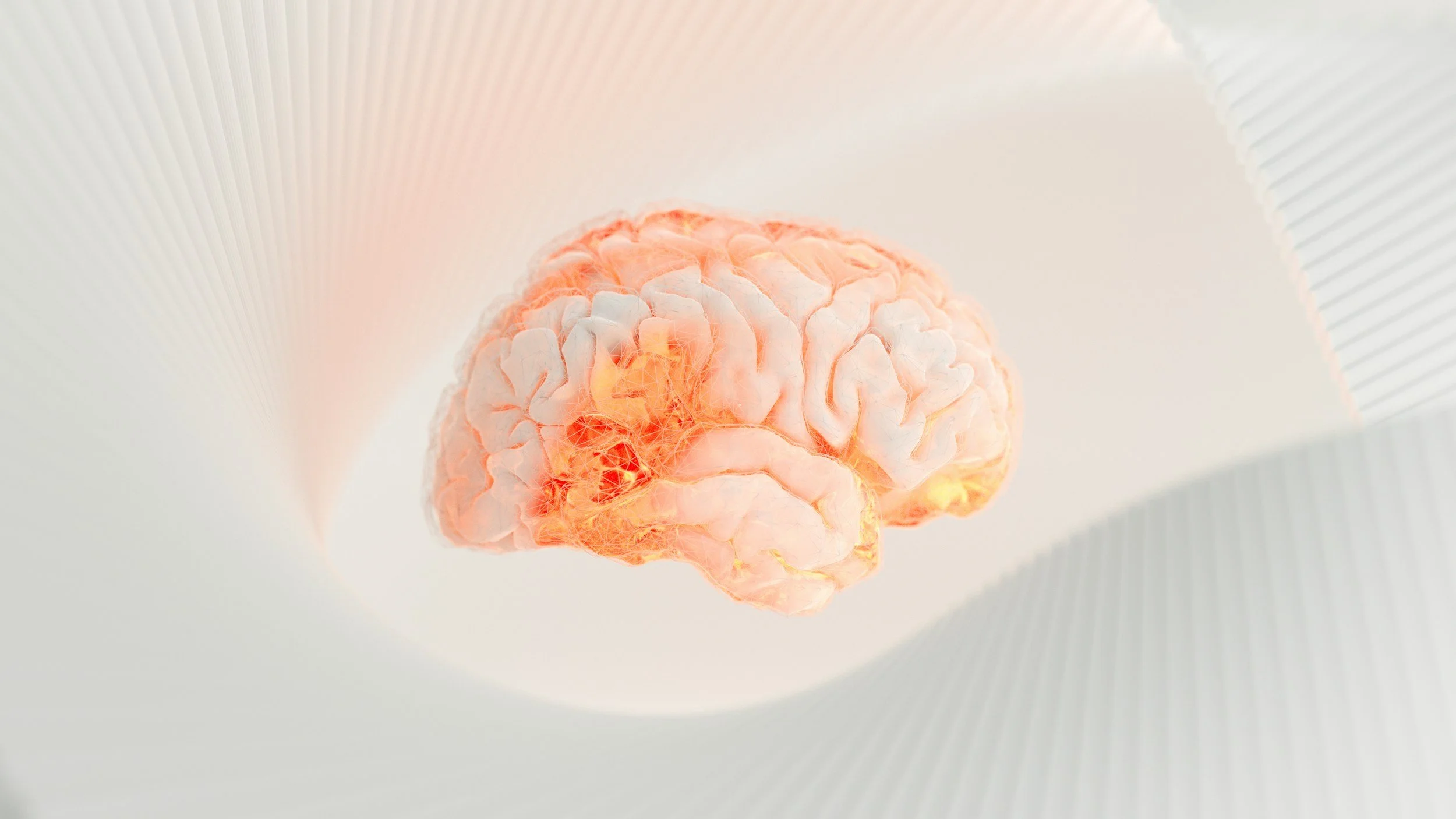
AI is transforming healthcare by improving diagnoses, therapy and care of patients. However, AI is susceptible to bias through unbalanced training datasets, algorithmic flaws and healthcare system inequities. The bias can translate into unequal healthcare decisions that disproportionately affect marginalized groups of people. To address this, diverse, well-curated datasets and bias-detecting training processes like debiasing through adversarial processes are needed. Explainable AI models and ongoing fairness audits ensure accountability of these processes. Ethical guidelines need to ensure protection of patient confidentiality and informed consent. If left unchecked, AI bias can perpetuate healthcare inequities instead of resolving them. By combining engineering solutions with ethical oversight, medical professionals can create fairer AI-driven tools that benefit all patients. This article explores the challenges of bias in medical AI and strategies to make these technologies more equitable for diverse populations.
This narrative review synthesizes existing literature on the mental health of transgender individuals in Iran, identifies critical research gaps and outlines directions for future inquiry. The findings offer valuable insights for clinicians, researchers and policymakers contributing to the development of culturally informed mental health interventions and evidence-based policy initiatives.
Inflammatory diseases, such as cardiovascular disease (CVD), are significant concerns to the medical community and the health of societies worldwide. Strategies to reduce the inflammation associated with these diseases are of increased importance given the serious nature of CVD treatments, which are often risky and invasive. Some naturally occurring substances represent an untapped resource for potentially therapeutic compounds that may possess anti-inflammatory characteristics, such as resveratrol, a polyphenol-derived compound found in a variety of fruits. A goal of the study is to mimic an inflammatory response by inducing cell stress using Tumor Necrosis Factor-α (TNF-α) in vascular endothelial cells in vitro. The endothelial cells were treated with resveratrol to assess the anti-inflammatory properties of the compound. Resveratrol was shown to reduce cell stress without causing morphological abnormalities. In addition, wound healing, a critical step in the immune response to injury involving inflammation, was modeled using a scratch wound assay. Wound healing was enhanced in vascular endothelial cells. Lastly, we use polymeric biomaterials and a Chandler Loop to model resveratrol’s use in biomaterial rejection, another process highly dependent on inflammation levels. Resveratrol was shown to attenuate biomaterial rejection through significant inhibition (p < 0.01) of inflammatory cell attachment to polymeric biomaterials, including in the physiologically relevant model of a Chandler Loop. Taken together, our results suggest that resveratrol possesses potent anti-inflammatory characteristics in vascular endothelial cells and macrophages. These results take the field a step further in the prospect of using resveratrol for its anti-inflammatory properties and to increase the lifespan of implantable medical devices.
Food insecurity, or the inability to provide enough food for your household, is prevalent across the United States. People who experience food insecurity are more likely to experience many negative outcomes related to their physical health, mental health and school/work performance. In this study, we looked at how college students view food insecurity. We found that those with more exposure to food insecurity (through volunteering, donating or being knowledgeable about general information related to it) tended to hold more positive opinions. We also found that overall college students held positive opinions about food pantry usage by others. A surprising finding was that although they had a positive view on others using a food pantry, they were more hesitant to use it themselves. Knowing these proclivities, we can begin to develop potential interventions in college populations and empower students to obtain the resources they need.
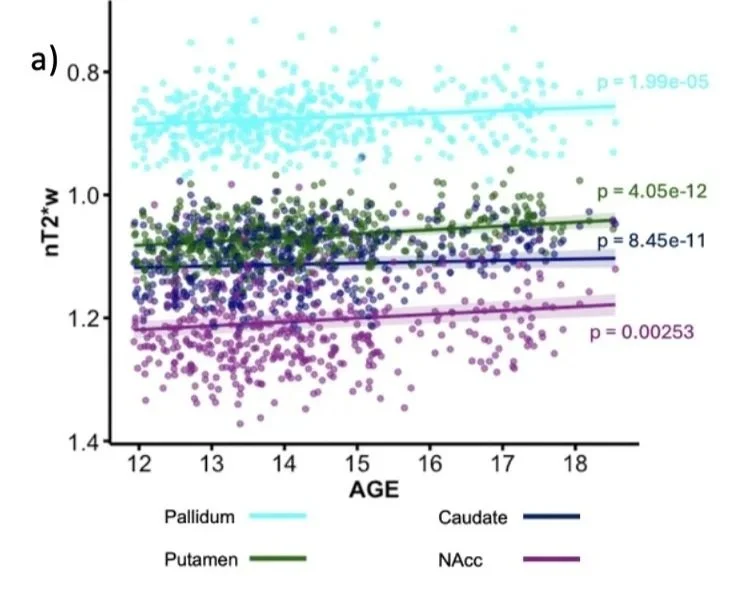
Adolescence is a critical period of development involving changes in various regions of the brain often resulting in the presentation of many mental disorders. Anhedonia, or the loss of pleasure in response to rewards, is a major symptom of depression. Because of the potential relationship between reward processing and depression, it is possible that developmental changes in the reward system may relate to the severity of depressive symptoms across adolescence. While we did not identify a significant relationship between the reward system and depressive symptom development across adolescence, our analyses revealed that increases in average depressive severity was associated with the maturation of one of the brain’s key reward structures. This finding suggests that interactions between reward function and depression are more complicated than initially expected and factors like early life stress may impact both the reward system and depression development.
All viruses are protected by a durable protein shell regulating many crucial functions, such as host-cell infiltration and replication. Some disinfectants operate to disrupt or destroy this shell, rendering the virus inactive. However, many widely used antiviral solutions are also harmful to the environment and over prolonged usage, can be toxic to people or other desired organisms. Especially within enclosed environments, safer alternatives are necessary. This manuscript investigates the mechanisms behind CAGE, an ionic liquid that was previously identified to demonstrate antimicrobial properties and its interactions with a viral capsid protein. To do this, molecular dynamics simulations were used to simulate interactions between all the atoms involved in this process. Molecular dynamics simulations are a type of atomic-scale simulation based on computationally solving Newton’s laws of motion. The results showed that, on average, CAGE promotes certain forms of protein structure in regions of the viral protein vital for function, suggesting a mechanism for possible antimicrobial effects.
Cubic equations are foundational in engineering and science, yet conventional solution methods—such as Cardano’s formula and Lagrange’s resolvent—are often computationally complex, numerically unstable or difficult to generalize. To address these limitations, this article introduced a novel Derivative Method (D-Method) for solving cubic equations by systematically reducing them to quadratic forms via derivative-based substitutions. The D-Method provided a closed-form solution for deriving at least one real root of any cubic equation, combining simplicity, accuracy and broad applicability to equations with real or complex coefficients. Unlike classical approaches, the method avoided intricate algebraic manipulations and memorization of cumbersome formulas, streamlining both manual and computational solving. Comparative analysis demonstrated that the D-Method outperformed traditional techniques in efficiency and accessibility. The solution’s validity was rigorously proved mathematically and illustrated through numerical examples. Furthermore, the method’s underlying framework suggested potential extensions to higher-degree polynomial equations, offering a pathway for future research.
Parkinson’s disease (PD) is a common neurodegenerative disease (NDD) that is characterized by the gradual loss of dopaminergic neurons and progressive motor impairment. Recent studies suggest that PD may originate in the gut, highlighting the gut-brain axis (GBA) as a critical area for research. This study investigated the neuroprotective potential of Trachyspermum ammi (T. ammi) oil on PD-associated symptoms using Caenorhabditis elegans (C. elegans) as a model organism. This study will assess various PD symptoms, including impaired locomotion, dopaminergic neuron degeneration, elevated reactive oxygen species (ROS) levels and gut permeability. The researcher procured C. elegans genetically modified to develop Parkinson’s disease and exposed them to varying concentrations of T. ammi oil by incorporating it into the worms’ food. PD was ultimately induced in C. elegans genetic models by introducing varying concentrations of T. ammi oil through the worm’s food. Behavioral assays (locomotion, thrashing) as well as physiological assays (oxidative stress, alpha-synuclein levels and gut permeability), were conducted to assess the impact of T. ammi oil on these parameters. Results from these assays suggested a positive effect of T. ammi on Parkinson’s, with the Ajwain-treated groups showing improved locomotion, thrashing, improved survival under oxidative stress and even lowered alpha-synuclein levels. The findings support the hypothesis that T. ammi oil mitigates PD-like symptoms in C. elegans. The results could be further applied to develop an efficient, cost-effective and widely available treatment for mitigating PD symptoms in humans.
I wrote this review to explore how sleep helps the brain clear out waste and why this process might be important for aging, memory loss prevention and brain diseases like Alzheimer’s. The brain has a cleaning system, called the glymphatic system, that works like a cleaning network during sleep. While many researchers have studied different parts of it, few papers bring together findings from brain anatomy, sleep patterns, aging and genetics all in one place. My goal was to give a full picture of how sleep supports brain health and what might happen when this system does not work properly. I also pointed out where the science is still unclear, what questions remain and how future research could improve our understanding. By reviewing the strongest ideas in the field and suggesting possible ways to improve brain waste clearance, I hope this paper helps move the science forward.