
Grace Gilbert1*, Wylie Gilbert1, Jennifer Hall1
1 Brian Lamb School of Communication at Purdue University, 610 Purdue Mall, West Lafayette, IN 47907
* gilbe112@purdue.edu
Abstract
Food insecurity, defined as the inability to provide enough food for your household, is prevalent across the United States. The US Department of Agriculture estimates food insecurity affects 47 million people, 13 million being children. People who experience food insecurity are more likely to experience malnutrition, chronic conditions, negative mental health outcomes, social consequences and lower performance in school or work. In this exploratory study, we examined how food insecurity is perceived by a college population, as this group has a higher rate of food insecurity than the wider population. If we understand the baseline attitudes that college students hold concerning food pantry or related resource usage, we can then develop appropriate interventions. The main barrier to food pantry usage in college students is not physical; it is the social stigma that surrounds food pantry usage. We can make a huge impact on this prevalent issue starting with the mentality surrounding food insecurity. We found that students who had not donated food, had not volunteered at a food pantry or were less knowledgeable about general information related to food insecurity tended to hold more negative opinions about food pantry usage. College students generally held positive opinions about others using a food pantry; however they held more negative opinions about personally using a food pantry. Future direction should include interventions to raise awareness about the social acceptability of using food resources. If individuals understand that the larger population holds positive opinions about food pantry usage, then they may be more likely to personally use them as well.
Introduction
Food insecurity is “a household’s ability to provide enough food for every person in the household to have an active, healthy life” (Feeding America n.d.). It is related to the household-level economic and social conditions. It is different from hunger, though hunger may be a consequence of food insecurity. Food insecurity may be characterized by worry that food will run out, an inability to afford a balanced meal, being hungry but not eating and other related factors. It is a leading issue in the United States (US), with 47.4 million people living in food-insecure households in 2023 (USDA ERS 2025). It is crucial to understand what negative health outcomes affect those who are food insecure, not only because of the prevalence but also because of the rapidly changing nature of food insecurity. Even temporary insecurity goes on to create persistent impairments (Howard 2011). Food insecurity in families is related to increased health risks in children, even when the parents report that the children are food insecure without hunger (Cook et al. 2006). It also impacts children’s interpersonal relationships, self-control, attentiveness and eagerness to learn, among other factors (Howard 2011). Similarly, adults are dangerously impacted by food insecurity. A 2015 meta-analysis found that food insecurity in nonsenior adults was associated with major depression, anxiety, oral health problems, diabetes and hypertension (Gundersen and Ziliak 2015).
To combat the dangers of food insecurity, there are many organizations that have been designed to provide people with the resources they need. The U.S. Department of Agriculture has programs providing nutrition assistance to children, low-income families, reservations and the elderly (USDA n.d.). One widespread program is food banks. These provide people with food through a variety of different funding sources, from the government to community drives. A paper from 2013 highlighted a push in food pantries to shift their focus to the nutritional value of foods (Campbell et al. 2013). However, many other studies have found that food pantries are not providing sufficient food to meet the nutritional or other needs of users (Akobundu et al. 2004; Gany et al. 2012; Mabli et al. 2013; Bigand et al. 2021). Despite the gap in nutritional quality, studies have found that users are satisfied with the food bank programs, even if they can see areas that could use improvement (Duffy et al. 2002; Azurdia et al. 2011). Food Finders Food Bank, Inc. n.d. has food banks in 16 counties all over Indiana that supply “life-stabilizing” aid. Still, food pantries are often an underutilized resource due to many factors. There is a sizable gap between the number of people who are food insecure and the number of people who use resources like food pantries (El Zein et al. 2018).
There are barriers in place that are preventing or discouraging people from using the available resources, despite their needs. These barriers can be physical or mental. A 2012 study found that many food pantries were difficult to reach by phone, had incorrect hours listed, had incorrect locations listed or had unexpected closures (Gany et al. 2012). Food pantries often have limited hours and long lines that prevent usage. Some potential users even attributed having limited access to transportation as a barrier to food pantry access. Individuals also indicated difficulty in finding information about how food banks operated and where to find them. Other impediments are more psychological. Some stated that they didn’t feel like they were in enough need to use a food pantry, even though respondents did qualify as food insecure, or they didn’t want to take charity food (Loopstra and Tarasuk 2025). Many of the barriers are centered around the shame and embarrassment associated with food pantry usage (McArthur et al. 2020; Peterson et al. 2022). Participants in a 2025 study mentioned shame and self-consciousness surrounding food pantry usage (Loopstra and Tarasuk 2025). Another study attributed feelings of desperation and shame to food pantry use (Douglas et al. 2015).
College populations have a significantly higher rate of food insecurity compared to the general population, reaching 20% or more (Freudenberg et al. 2019). Unfortunately, of the food-insecure group, literature has found that less than half actually use a food pantry to supplement their diet (El Zein et al. 2018). Food insecurity in college populations is correlated with lower GPA, poorer sleep, poorer mental, physical health and poorer resilience (Loofbourrow and Scherr 2023). Undergraduate students may be food insecure at a higher rate than graduate students; however, in both groups the rate of food insecurity is higher than the national average (Soldavini et al. 2019).
Similar to the general population, social stigma is one of the main reasons for this extremely low pantry usage in college students. Lack of information about the pantry, inconvenient hours and self-identity are other relevant factors (El Zein et al. 2018). Many college students face shame and embarrassment when presented with the idea of using a food pantry. Some suggest that this shame is constructed and internalized by the individual needing this assistance (Chase and Walker 2013). The college population is also hesitant to seek out help due to the personal choice to spend money on college tuition instead of food (Dewey 2018; Henry 2020). This idea that “others need it more” or that an individual is less deserving of the help paints a picture of food pantries as a limited resource, when in fact they are more often underutilized (Brito-Silva et al. 2022; Peterson et al. 2022).
The social norms theory asserts that a population can incorrectly perceive that specific attitudes, beliefs or specific behaviors are held by the population, causing others to modify behaviors to better fit into a situation. This theory is used often in regard to drinking with the misconception that ‘everybody else does it’ (Berkowitz 2005). In a study examining drinking habits on the general college campus and in Greek life, a positive relationship was found between decreased misperceptions of how much drinking is typical and decreased drinking (Haines and Barker 2003). This theory has also been found in a socially detrimental context by tobacco companies. Through marketing, tobacco companies sold their products as socially acceptable, thus causing people’s attitudes to mirror what they believed to be normal (Hoek et al. 2022). The social norms theory has not yet been examined or intentionally applied in the context of food insecurity. Food insecurity in college populations is surrounded by negative, stigmatizing misconceptions (Peterson et al. 2022). College students view food pantry usage as a reflection of their own failures and feelings of shame, laziness and weakness (Peterson et al. 2022). The application of the social norms theory in correcting existing stigmas and misconceptions could mirror past studies of alternative contexts by leading to an improvement in attitudes surrounding food insecurity, thus increasing the usage of food pantries and other available resources.
The current exploratory study examines the existing attitudes surrounding food insecurity and food pantries in a large Midwestern college population. In this Midwestern county encompassing the college, 20,970 (11.3%) people are classified as food insecure (Feeding America, n.d.). Exploring these stigmas and beliefs held about food insecurity on a college campus could provide a foundation for the development of relevant interventions to mediate the negative health outcomes commonly associated with food insecurity. There is an abundance of literature surrounding food-insecure individuals’ perceptions, but the general public’s perceptions—perceptions that are required to implement adequate interventions—are less well understood. The current study adds to the existing literature by further examining how a college population perceives individuals who use a food pantry and their opinions about hypothetical personal pantry use.
Methods
Participants were undergraduate students who completed an online survey. Information was collected about current attitudes and beliefs held about food pantries and food insecurity. The research question that this study aimed to explore was, “What are the existing attitudes regarding food pantries that may contribute to food insecurity, stigma and shame?” This study could aid in the development of potential interventions to reduce issues regarding food pantries. This study also explored the current misconceptions and stigmas that exist in the population at a large Midwestern college.
Design
Participants were recruited using a convenience sampling method. All participants were asked the same set of questions. The survey was completed using Qualtrics. Data analysis was performed in RStudio (2024.04.2). Independent samples two-tailed t-tests were used to determine significant results with a p-value of < .05.
Participants
This study included 201 participants and was conducted online at a large Midwestern university. Participants completed a consent form outlining the study, possible risks and benefits, compensation, privacy, rights and contact information. Exclusion criteria disqualified those aged under 18 or who failed to complete the questionnaires. The survey was completed by undergraduate students, ranging from age 18 to 27, at a large Midwestern college. The gender composition of the study was 68.7% female, 29.4% male, 1.5% non-binary and 0.5% other. The ethnicities represented in the sample were white (73.1%), Asian (10.9%), Black/African American (3.5%), biracial (8.5%) and other (3.5%); one participant did not provide an answer. The majority of the students were domestic (94.5%). Of the international students, 45.5% were from China, 18.2% from Mexico, 18.2% from South Korea, 9.1% from Nigeria and 9.1% from Taiwan.
Materials
Participants were provided with a link to an online survey, which they filled out anonymously. They were first provided with an online consent form before filling out the survey. Various opinionated statements were presented, such as “It would bother me if I saw people at food pantries who have nice cars, shoes, phones, etc.,” and participants were required to rate how much they agreed with the statement on a scale ranging from 1 (strongly disagree) to 5 (strongly agree).
Examining the Descriptive Statistics of the Statements
In this study, we examined several subjective statements and the attitudes students held toward them. Data was analyzed in RStudio. Knowledge questions were given to participants with multiple-choice answers (Table 1). Some questions were true-or-false format, while some were four numerical options where participants had to select one.
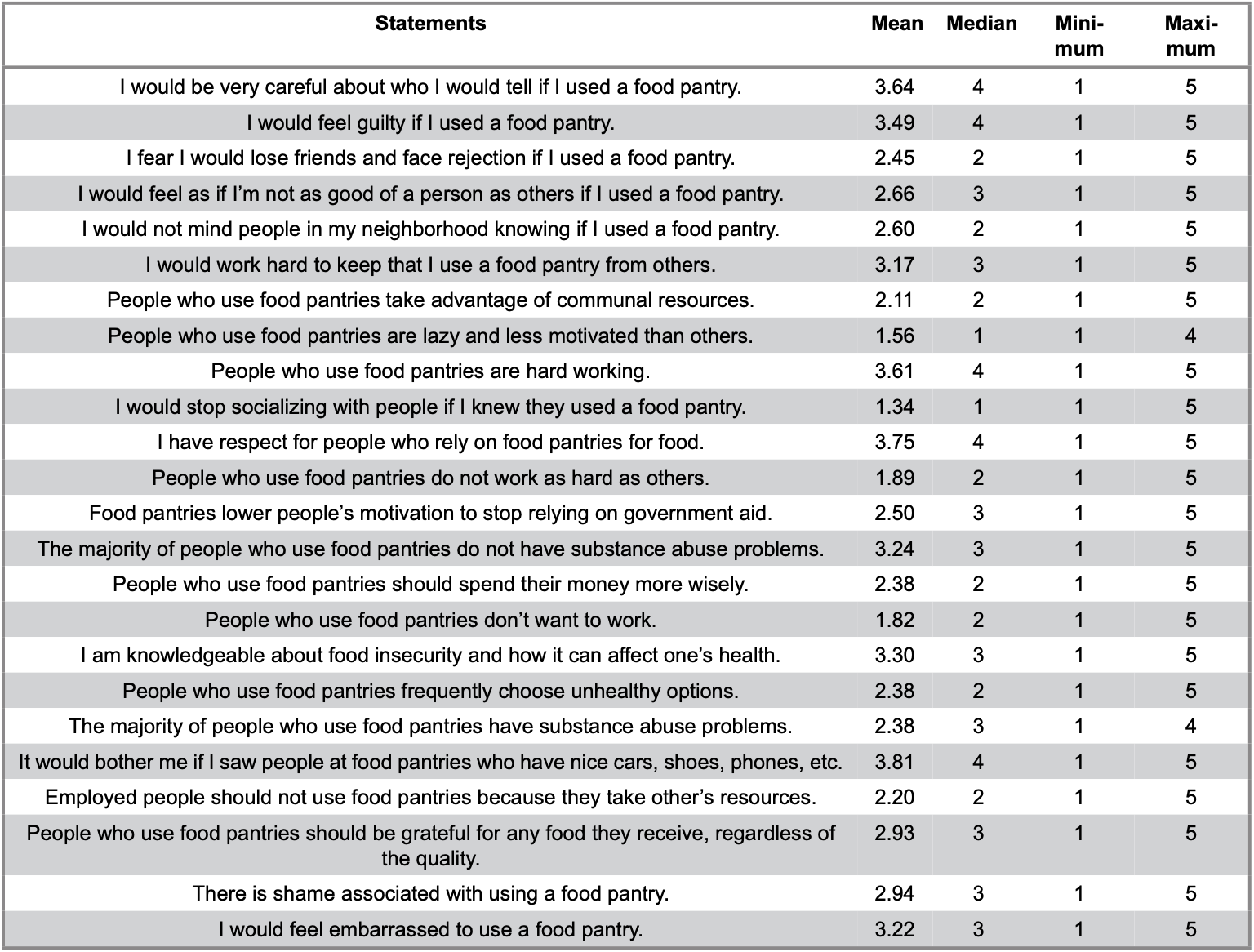
Table 1. Descriptive Statistics of College Student Attitudes Towards Food Pantries.
Note. * scores ranging from 1 to 5. A “1” indicates a strong disagreement with the statement, and a “5” indicates a strong agreement with the statement.
We examined whether differences in college students were correlated with differences in attitudes regarding food insecurity (Table 2).
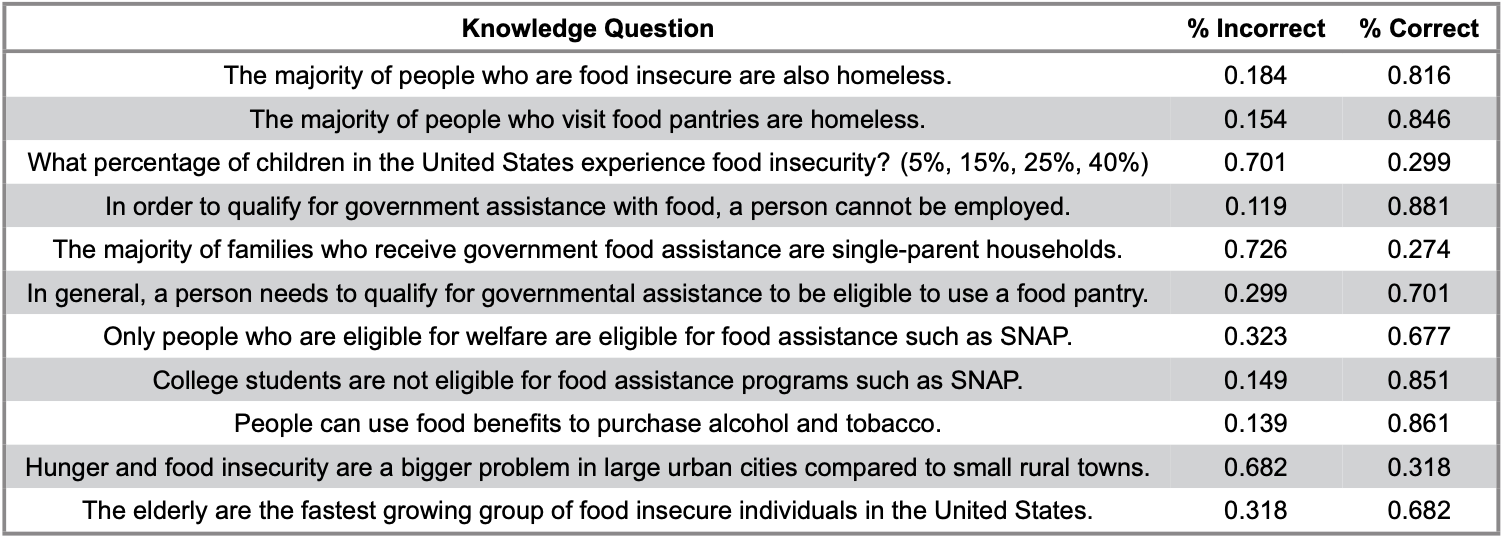
Table 2. College Student’s Knowledge Related to Food Insecurity
Results
We examined differences between different groups as they responded to the opinion statements in the survey. Indicated below are the statements with a statistically significant difference between groups. Statistics related to every statement, statistically significant and insignificant, can be found in Tables 3, 4, 5, 6 and 7.
College Students’ Responses to Opinionated Statements by Gender
Participants indicated their gender in the survey responses. Those who identified with a gender other than woman or man are excluded from this analysis. Women (M = 2.63, SD = 1.32) were higher in agreement than men (M = 2.12, SD = 1.00) when they rated, “I fear I would lose friends and face rejection if I used a food pantry” t(195) = 2.66, p = .008462 (Table 3). Women were less likely (M = 1.47, SD = 0.75) to agree with the statement “People who use food pantries are lazy and less motivated than others” than men (M = 1.80, SD = 0.89); t(195) = -2.647, p = .008785 (Table 3). Women also agreed more with “I have respect for people who rely on food pantries for food” (M = 3.82, SD = 0.93) compared to men (M = 3.54, SD = 0.79); t(195) = 1.99, p = .04768 (Table 3). Women (M = 1.80, SD = 0.87) were lower in agreement than men (M = 2.12, SD = 0.79) as they rated the statement, “People who use food pantries do not work as hard as others”; t(195) = -2.27, p = .02402 (Table 3). Women were also lower in agreement rating, “Food pantries lower people's motivation to stop relying on government aid” (M = 2.41, SD = 1.04) than men (M = 2.75, SD = 1.04); t(195) = -2.09, p = .03757 (Table 3). “People who use food pantries should spend their money more wisely” again found lower agreement in women (M = 2.28, SD = 1.07) than men (M = 2.71, SD = 1.00); t(195) = -2.68, p = .007969 (Table 3). “Employed people should not use food pantries because they take others’ resources” was agreed to by fewer women (M = 2.12, SD = 0.83) than men (M = 2.47, SD = 0.99); t(195) = -2.62, p = .00945 (Table 3). Finally, when rating the statement, “People who use food pantries should be grateful for any food they receive, regardless of the quality,” women (M = 2.83, SD = 1.17) were again lower in agreement than men (M = 3.24, SD = 1.22); t(195) = -2.23, p = .02702 (Table 3). Overall, women thought more positively than men regarding users of food pantries but were more concerned with the social impacts of their own use.
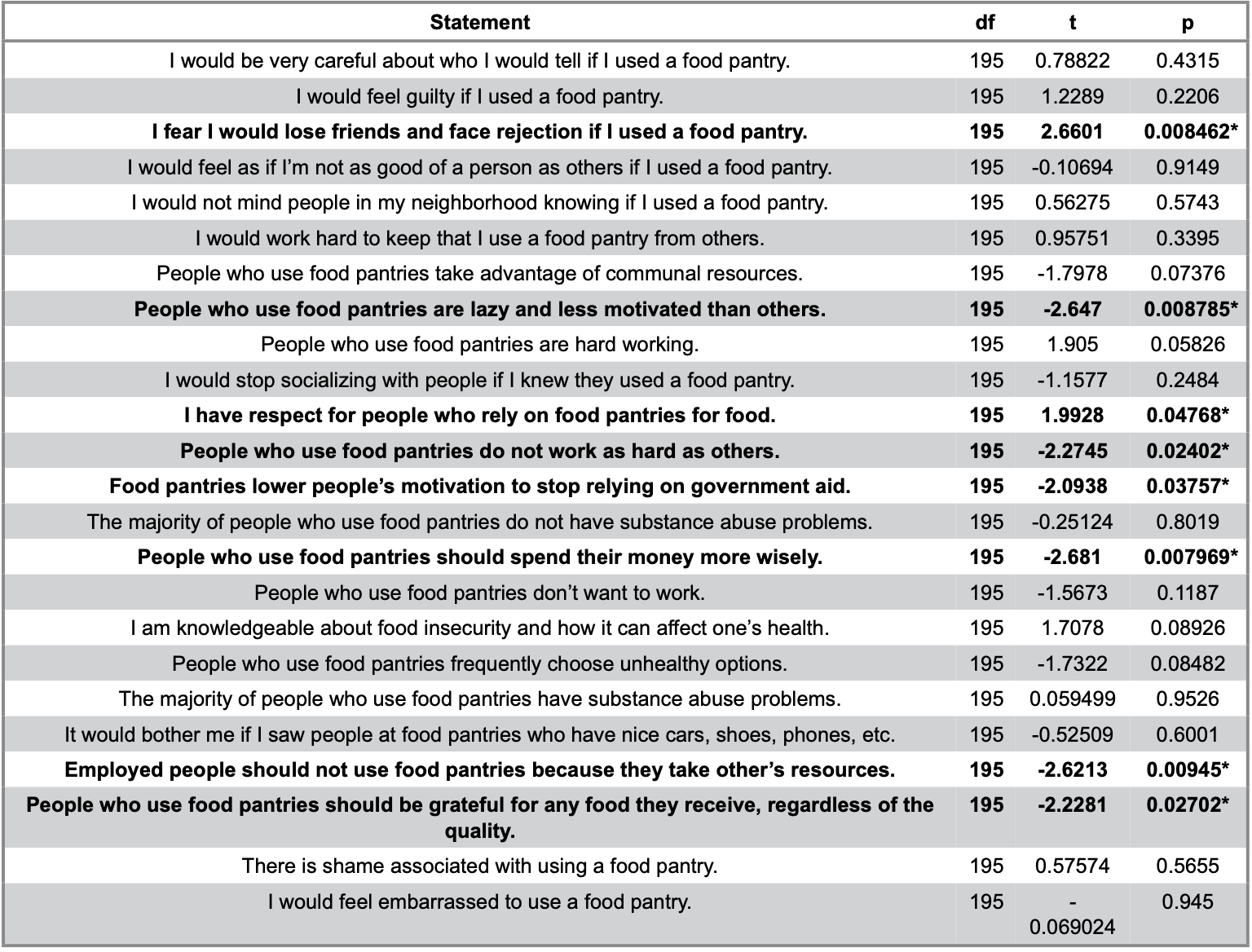
Table 3. College Students’ Responses to Opinionated Statements by Gender
Note. Ha µ1 = µ2 Note. * indicates significance at p < .05. Note. Statements found to be significant are in bold for ease of identification.
College Students’ Responses to Opinionated Statements by Knowledge Levels
College students had to answer a series of knowledge questions relating to food insecurity and forms of assistance. They were then divided into two groups based on the number of questions they answered correctly. The first group, the more knowledgeable group, missed three or fewer questions. The less knowledgeable group missed more than three questions. The statement, “I would feel as if I’m not as good of a person as others if I used a food pantry” was agreed with less by the more knowledgeable group (M = 2.53, SD = 1.21) compared to the less knowledgeable group (M = 2.89, SD = 1.30); t(195) = 2.03, p = .04414 (Table 4). Those in the more knowledgeable group (M = 1.24, SD = 0.58) were lower in agreement than those in the less knowledgeable group (M = 1.49, SD = 0.93) when rating the statement, “I would stop socializing with people if I knew they used a food pantry”; t(195) = 2.38, p = .01829 (Table 4). “Food pantries lower people's motivation to stop relying on government aid” was also rated lower in agreement by the more knowledgeable group (M = 2.33, SD = 1.09) than the less knowledgeable group (M = 2.75, SD = 0.95); t(195) = 2.77, p = .006166 (Table 4). Lastly, when rating the statement, “The majority of people who use food pantries do not have substance abuse problems,” those in the more knowledgeable group (M = 3.35, SD = 0.89) were higher in agreement than those in the less knowledgeable group (M = 3.02, SD = 0.83); t(195) = -2.62, p = .009537 (Table 4). Generally, the more knowledgeable group members had more positive opinions of food pantry users and personal food pantry use.
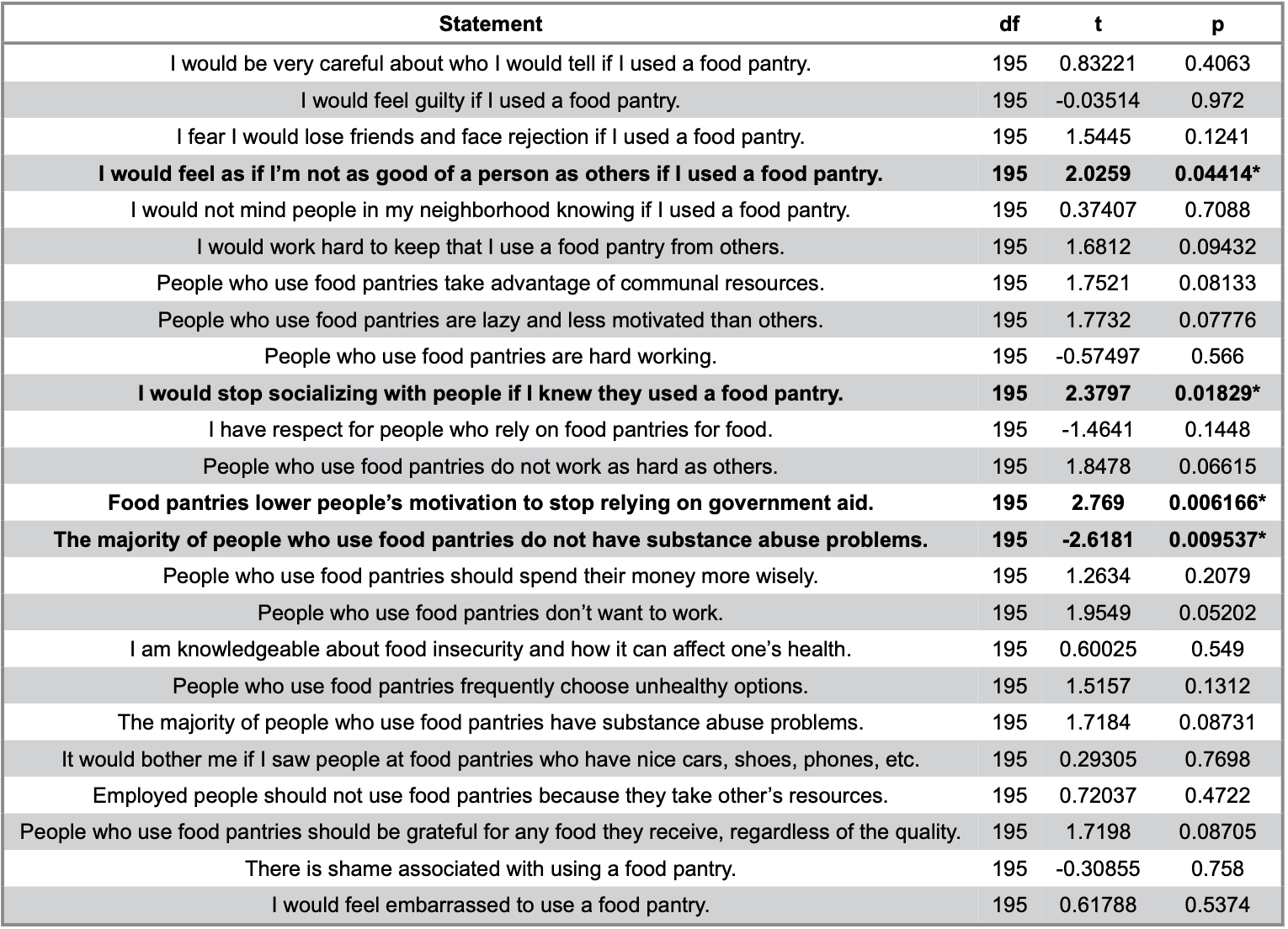
Table 4. College Students’ Responses to Opinionated Statements by Knowledge Levels
Note. Ha µ1 = µ2 Note. * indicates significance at p < .05. Note. Statements found to be significant are in bold for ease of identification.
College Students’ Responses to Opinionated Statements by Direct Personal Experience with Food Insecurity
Direct personal experience was characterized by indicating that they received free or reduced lunch in K-12 or government food assistance—SNAP or WIC— at any point. The only statistically significant statement was, “I would work hard to keep that I use a food pantry from others.” Those who have had direct personal experience (M = 3.29, SD = 1.22) were higher in agreement than those who have not (M = 2.78, SD = 1.10); t(195) = 2.47, p = .0146 (Table 5).
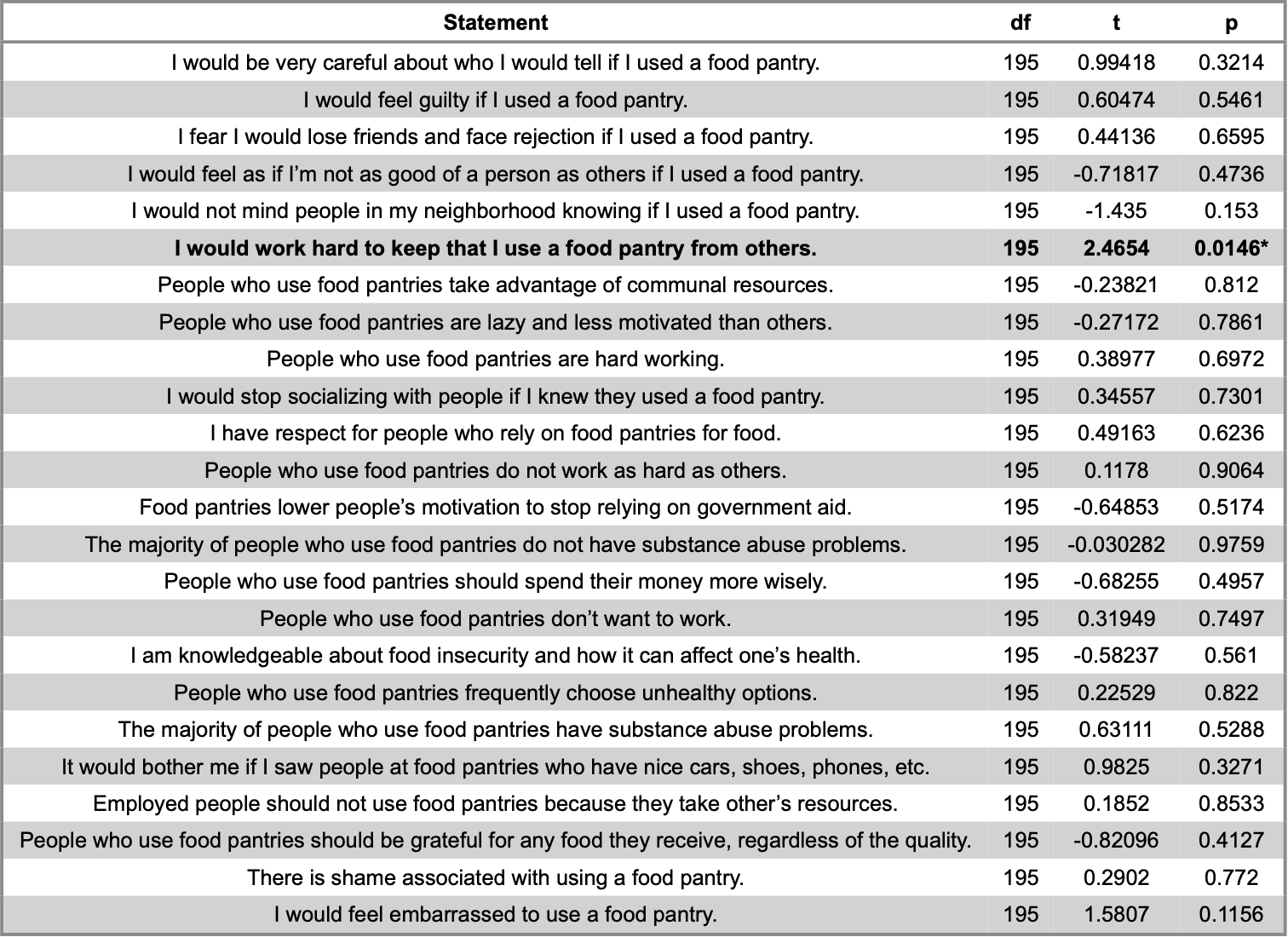
Table 5. College Students’ Responses to Opinionated Statements by Direct Personal Experience with Food Insecurity
Note. Ha µ1 = µ2 Note. * indicates significance at p < .05. Note. Statements found to be significant are in bold for ease of identification.
College Students’ Responses to Opinionated Statements by Volunteering History
Participants were also asked if they had ever volunteered at a food pantry or food bank. “People who use food pantries are hard working” was found to have higher agreement with those who have volunteered (M = 3.69, SD = 0.80) than those who have not (M = 3.32, SD = 0.83); t(195) = -2.87, p = .004562 (Table 6). “I have respect for people who rely on food pantries for food” was also higher in those who have volunteered at a food pantry or bank in the past (M = 3.84, SD = 0.89) than those who have not (M = 3.45, SD = 0.87); t(195) = -2.73, p = .006967 (Table 6). Those who have volunteered (M = 3.29, SD = 0.87) were again higher in agreement than those who have not (M = 3.00, SD = 0.88) as they rated the statement, “The majority of people who use food pantries do not have substance abuse problems”; t(195) = -2.09, p = .03832 (Table 6). Last, “I am knowledgeable about food insecurity and how it can affect one's health” was rated higher by those who have volunteered in the past (M = 3.47, SD = 1.16) compared with those who have not (M = 2.79, SD = 1.17); t(195) = -3.65, p = .0003417 (Table 6). Those who have volunteered at a food pantry or bank have generally more positive opinions about food pantry users as well as more confidence about their own knowledge levels.
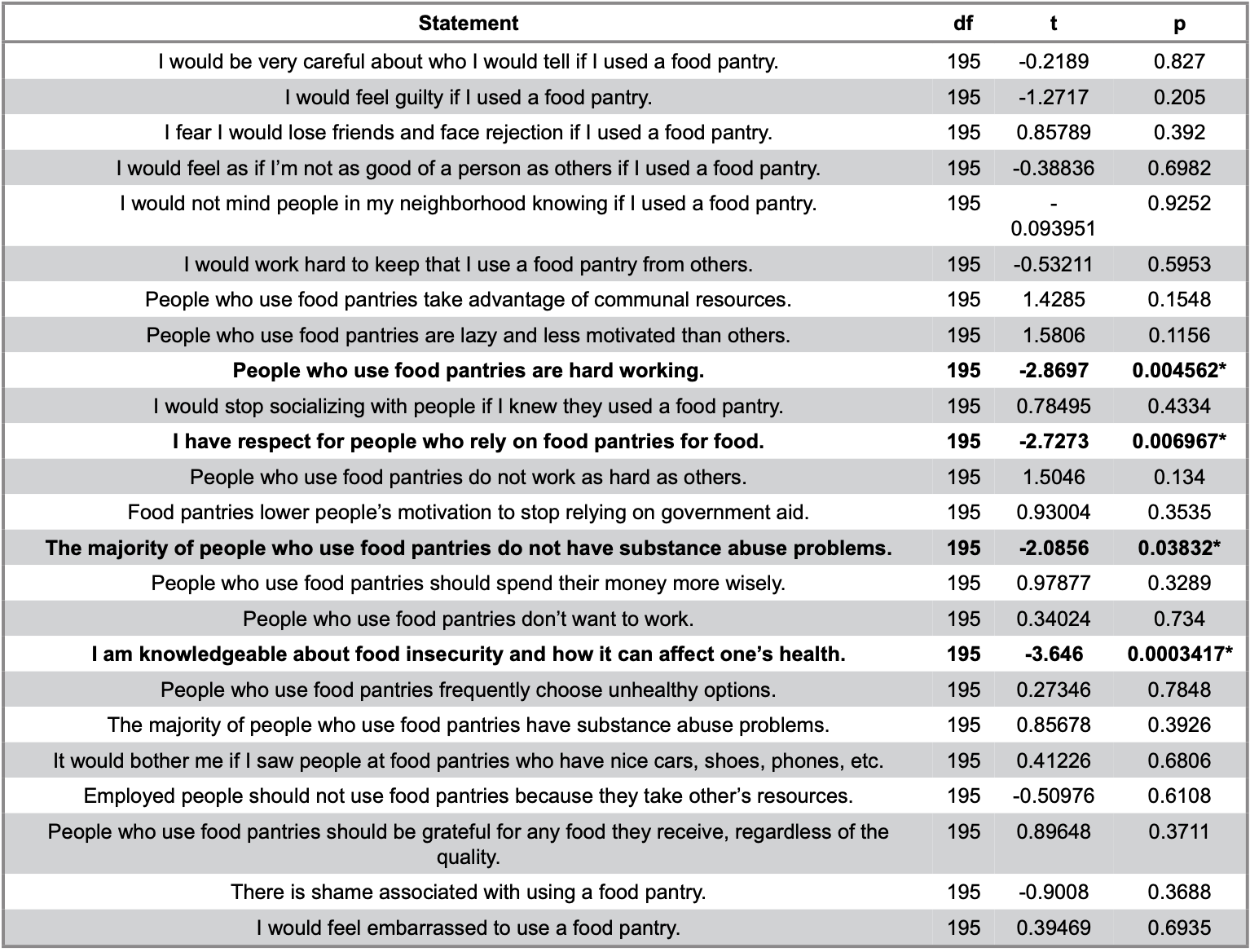
Table 6. College Students’ Responses to Opinionated Statements by Volunteering History
Note. Ha µ1 = µ2 Note. * indicates significance at p < .05. Note. Statements found to be significant are in bold for ease of identification.
College Students’ Responses to Opinionated Statements by Donating History
Participants were asked if they or their family had donated food to a food drive before. Those who have donated (M = 2.53, SD = 1.12) were lower in agreement than those who have not (M = 3.20, SD = 1.26) when rating the statement “I would not mind people in my neighborhood knowing if I used a food pantry”; t(195) = 2.21, p = .02812 (Table 7). Similarly, the statement “I would stop socializing with people if I knew they used a food pantry” was also rated lower by those who have donated in the past (M = 1.28, SD = 0.66) compared to those who have not (M = 2.13, SD = 1.30); t(195) = 4.38, p = < .001 (Table 7). Again, when rating the statement “People who use food pantries do not work as hard as others,” those who have donated to a food pantry or drive (M = 1.86, SD = 0.87) were lower in agreement than those who have not (M = 2.40, SD = 1.12); t(195) = 2.27, p = .024 (Table 7). “People who use food pantries should spend their money more wisely” was also rated lower in agreement in those who have donated (M = 2.34, SD = 1.04) than those who have not (M = 3.20, SD = 1.01); t(195) = 3.07, p = .00242. “People who use food pantries don’t want to work,” similarly found that those who have donated (M = 1.78, SD = 0.84) were lower in agreement than those who have not (M = 2.47, SD = 1.13); t(195) = -2.94, p = .003637 (Table 7). Those who have donated to a food pantry or drive in the past (M = 2.19, SD = 0.87) were lower in agreement than those who have not (M = 2.67, SD = 1.05) when rating “Employed people should not use food pantries because they take other’s resources”; t(195) = 2.02, p = .04509 (Table 7). Finally, when rating the statement “People who use food pantries should be grateful for any food they receive, regardless of the quality,” those who have donated (M = 2.90, SD = 1.19) were lower in agreement than those who have not (M = 3.53, SD = 1.19); t(195) = 1.98, p = .04929 (Table 7). Those who have donated food to a food drive tended to have more positive opinions surrounding others using food pantries, but more negative opinions surrounding the social consequences of their personal use.
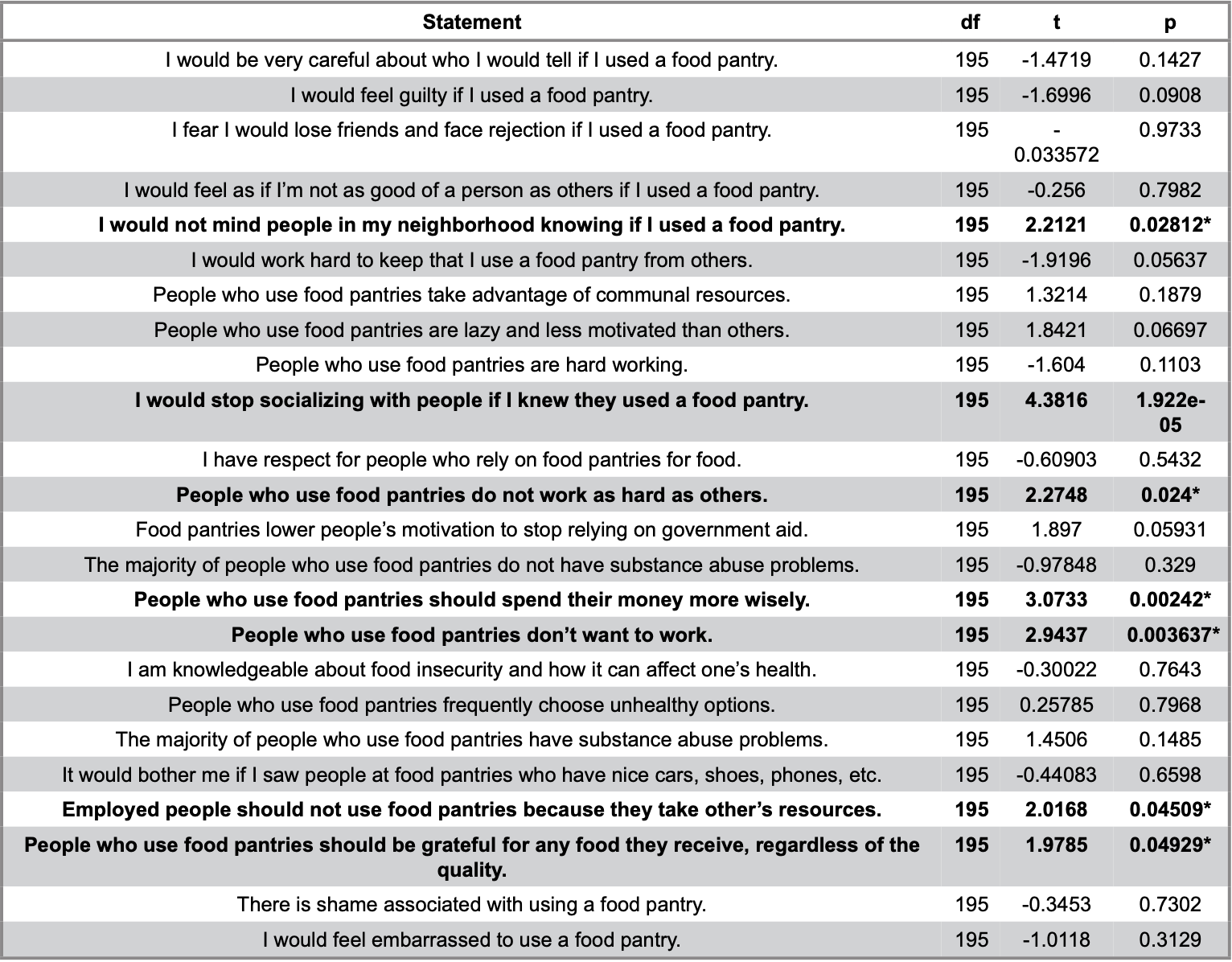
Table 7. College Students’ Responses to Opinionated Statements by Donating History
Note. Ha µ1 = µ2 Note. * indicates significance at p < .05. Note. Statements found to be significant are in bold for ease of identification.
Discussion
The present study established baseline attitudes about food insecurity and the use of resources in a large Midwestern college population. Knowing what attitudes and beliefs this population has can assist in developing interventions and strategies aimed at improving attitudes relating to food insecurity.
In the present study, we found that, on average, people who had not volunteered at a food pantry held significantly more negative attitudes compared to those who had volunteered. Additionally, those who had not donated to a food pantry or drive held more negative beliefs than those who had donated. Based on these significant correlations, future studies should develop interventions that aim towards encouraging community involvement in related events. A future avenue of intervention could be simply raising awareness and encouraging people to be generous with their time and resources. Involvement in community projects such as food drives may also improve understanding of why people need food pantries and what kind of people need them.
The social norms theory posits that correcting perceptions about what beliefs the population holds will improve individual behavior. Future research should consider implementing this as a food insecurity-related context. There is a hesitancy to use food pantries because of the stigmas and misconceptions surrounding it. This hesitancy may be improved by raising awareness of the purpose and place a food pantry or similar services have in the community. In raising awareness of the fact that people who use the food pantry are hardworking, do often have jobs and do spend their money wisely, we may decrease the hesitancy surrounding usage. There are many resources available to people in the community that are not properly taken advantage of due to fear of what others may think. We ought to turn our focus towards the “why.” Why are these people scared to use the food pantries and other related resources? And next, we must address the “how.” How can we show people that their fear is unfounded? How can we show that using a food pantry is a brave step they can take, not a shameful one?
In this study, we also found that those who were less knowledgeable about food insecurity and related topics held more negative attitudes compared to those who were more knowledgeable. The present study may speak to the benefit of education about social issues such as food insecurity. Future directions may take into consideration how to better educate the college population in fields related to this topic. Considering the social norms theory, improving knowledge may decrease hesitancy towards using food pantries.
On average, people do not hold negative opinions towards people using food pantries. For the negative opinion statements, participants tended to disagree. For the positive statements, people tended to agree. Future directions should explore whether positioning food insecurity assistance as more acceptable will increase people’s comfort with using that assistance. The statements regarding personal use of a food pantry were met more often with negative opinions. Conversely, the opinions of others using a food pantry were met with more positive opinions. There is a hesitancy in using pantries, specifically in regard to others’ thoughts and opinions. Stated differently, though people do not hold negative opinions of users, they believe that others do. This complements previous literature pointing to users overestimating the stigma surrounding their usage (Kindle et al. 2019). Employing the social norms theory, we can foster awareness of the evident social acceptability of using a food pantry found in this study. If people are aware that there is less danger of blowback from their friends and peers than previously believed, then they may be more willing to use the available resources they truly need. Fear of how others will perceive them is a well-researched reason for lack of food pantry use. However, this study supports that others will not perceive them negatively. It is a false belief that society views food pantry usage in a negative way. We need to raise awareness of the truth. This study is the first step to showing others that they will not be rejected for using a food pantry.
To reiterate, the social norms theory has yet to be used in a food insecurity context. It has been used with the college population, specifically relating to drinking habits. Future research should consider using the social norms theory in an experimental setting to observe if the same strategies can be applied to contexts outside of drinking and tobacco. The social norms approach theory posits that people’s behaviors are influenced by their own perceptions of what is socially acceptable. Portraying the truth about food pantry usage, that it is socially acceptable and does not need to be a taboo topic, could reduce hesitation, thus enabling and empowering those who are food insecure to take advantage of the available resources.
The present study population was undergraduate college students at a large Midwestern university. Future directions include broadening this study to a wider population group. Comparing differences between college students and the broader population could better inform appropriate interventions. Interventions could then be individualized to be more appropriate and applicable to the workplace, in contrast to college campuses.
Limitations of the Study
The results of this study could be skewed by nonresponse bias. Listwise deletion was employed as a strategy to clean the collected data. Participants who did not respond to all the questions were excluded from the analysis. We offered course extra credit if participants finished the survey. Of the participants, 1.09% did not complete the survey and were excluded.
Another limitation of this study is the lack of generalizability to a larger college population. This study employed convenience sampling, which decreases generalizability and external validity. The concern surrounding convenience sampling is an inaccurate representation of the actual population of study. Furthermore, the study only encompassed a large Midwestern college population. Future research should examine if similar results are found in other college sizes nationwide.
Conclusion
This research contributes to our understanding of the college population’s perceptions of food insecurity. Using a survey within a college population, we were able to establish areas of need and areas of strength. Determining stigmas relating to food insecurity within college populations allows for interventions to be developed and implemented. This study found that people who have volunteered less, donated less or had less knowledge tended to hold more negative attitudes. Generally, those who were more exposed to food insecurity—whether through personal experience or assisting with programs —had a more positive view of those who are food insecure but a more negative view of using the pantry themselves. Concerns were centered around the social consequences. Future interventions should focus on expanding knowledge about food insecurity and increasing involvement in volunteering and donating, as well as reinforcing that food pantry usage is not universally viewed in a negative light.
References
Akobundu, U. O., Cohen, N. L., Laus, M. J., Schulte, M. J. and Soussloff, M. N. (2004) ‘Vitamins A and C, calcium, fruit, and dairy products are limited in food pantries’, Journal of the American Dietetic Association, 104(5), 811–813, available: https://doi.org/10.1016/j.jada.2004.03.009
Azurdia, A. X., Lecompte, E. and Sibbald, E. (2011) ‘Bon Appétit! A process evaluation of a campus-based food bank’, Journal of Hunger & Environmental Nutrition, 6(3), 324–342, available: https://doi.org/10.1080/19320248.2011.597834
Berkowitz, A. D. (2005) ‘An overview of the social norms approach. In L. Lederman, L. Stewart, F. Goodhart and L. Laitman (Eds.)’, Changing the culture of college drinking: A socially situated prevention campaign, Hampton Press, available: http://www.alanberkowitz.com
Bigand, T. L., Dietz, J., Gubitz, H. N. and Wilson, M. (2021) ‘Barriers and facilitators to healthy eating among adult food bank users’, Western Journal of Nursing Research, 43(7), 660–667, available: https://doi.org/10.1177/0193945920969689
Brito-Silva, F. K., Wang, W., Moore, C. E., Warren, C., Miketinas, D. C., Tucker, W. J. and Davis, K. E. (2022) ‘College campus food pantry program evaluation: What barriers do students face to access on-campus food pantries?’, Nutrients, 14(14), 2807, available: https://doi.org/10.3390/nu14142807
Campbell, E. C., Ross, M. and Webb, K. L. (2013) 'Improving the nutritional quality of emergency food: A study of food bank organizational culture, capacity, and practices’, Journal of Hunger & Environmental Nutrition, 8(3), 261–280, available: https://doi.org/10.1080/19320248.2013.816991
Chase, E. and Walker, R. (2012) ‘The co-construction of shame in the context of poverty: Beyond a threat to the social bond’, Sociology, 47(4), 739–754, available: https://doi.org/10.1177/0038038512453796
Cook, J. T., Frank, D. A., Levenson, S. M., Neault, N. B., Heeren, T. C., Black, M. M., Berkowitz, C., Casey, P. H., Meyers, A. F., Cutts, D. B. and Chilton, M. (2006) ‘Child food insecurity increases risks posed by household food insecurity to young children’s health’, The Journal of Nutrition, 136(4), 1073-1076, available: https://doi.org/10.1093/jn/136.4.1073
Douglas, F., Sapko, J., Kiezebrink, K. and Kyle, J. (2015) ‘Resourcefulness, desperation, shame, gratitude and powerlessness: Common themes emerging from a study of food bank use in Northeast Scotland’, AIMS Public Health, 2(3), 297–317, available: https://doi.org/10.3934/publichealth.2015.3.297
Duffy, P. A., Hallmark, G. G., Molnar, J. J., Claxton, L., Bailey, C. and Mikloucich, S. (2002) ‘Food security of low-income single parents in East Alabama: Use of private and public programs in the age of welfare reform’, Journal of Rural Social Sciences, 18(1), 3–16, available: https://egrove.olemiss.edu/jrss/vol18/iss1/3
El Zein, A., Mathews, A. E., House, L. and Shelnutt, K. P. (2018) ‘Why are hungry college students not seeking help? Predictors of and barriers to using an on-campus food pantry’, Nutrients, 10(9), 1163, available: https://doi.org/10.3390/nu10091163
Feeding America. (n.d.) Feeding America: U.S. hunger-relief organization, available: https://www.feedingamerica.org
Food Finders Food Bank. (n.d.) Food Finders: Fighting hunger, giving hope, available: https://www.food-finders.org
Gany, F., Bari, S., Crist, M., Moran, A., Rastogi, N. and Leng, J. (2013) ‘Food insecurity: Limitations of emergency food resources for our patients’, Journal of Urban Health, 90(3), 552–558, available: https://doi.org/10.1007/s11524-012-9750-2
Gundersen, C. and Ziliak, J. P. (2015) ‘Food insecurity and health outcomes’, Health Affairs, 34(11), 1830–1839, available: https://doi.org/10.1377/hlthaff.2015.0645
Haines, M. P. and Barker, G. P. (2003) ‘The Northern Illinois University experiment: A longitudinal case study of the social norms approach’, In H. W. Perkins (Ed.), The social norms approach to preventing school and college age substance abuse: A handbook for educators, counselors, and clinicians, (pp. 21–34) Jossey-Bass, available: https://psycnet.apa.org/record/2003-02237-002
Hoek, J., Edwards, R. and Waa, A. (2022) ‘From social accessory to societal disapproval: Smoking, social norms and tobacco endgames’, Tobacco Control, 31(2), 358–364, available: https://doi.org/10.1136/tobaccocontrol-2021-056574
Howard, L. L. (2011) ‘Does food insecurity at home affect non-cognitive performance at school? A longitudinal analysis of elementary student classroom behavior’, Economics of Education Review, 30(1), 157–176, available: https://doi.org/10.1016/j.econedurev.2010.08.003
Kindle, P. A. and Foust-Siegert, C. R. (2019) ‘The stigma of food pantry use: A comparison of food pantry users and nonusers’, Contemporary Rural Social Work, 11(1), 37–48, available: https://doi.org/10.61611/2165-4611.1178
Loofbourrow, B. M. and Scherr, R. E. (2023) ‘Food insecurity in higher education: A contemporary review of impacts and explorations of solutions’, International Journal of Environmental Research and Public Health, 20(10), 5884, available: https://doi.org/10.3390/ijerph20105884
Loopstra, R. and Tarasuk, V. (2012) ‘The relationship between food banks and household food insecurity among low-income Toronto families’, Canadian Public Policy, 38(4), 497–514, available: https://doi.org/10.3138/cpp.38.4.497
Mabli, J., Jones, D. and Kaufman, P. (2013) ‘Characterizing food access in America: Considering the role of emergency food pantries in areas without supermarkets’, Journal of Hunger & Environmental Nutrition, 8(3), 310–323, available: https://doi.org/10.1080/19320248.2013.786663
McArthur, L. H., Fasczewski, K. S., Farris, A. R. and Petrone, M. (2020) ‘Use and perceptions of a campus food pantry among food insecure college students: An exploratory study from Appalachia’, Journal of Appalachian Health, 2(2), 7–23, available: https://doi.org/10.13023/jah.0202.02
Peterson, N., Freidus, A. and Tereshenko, D. (2022) ‘Why college students don't access resources for food insecurity: Stigma and perceptions of need’, Annals of Anthropological Practice, 46(2), available: https://doi.org/10.1111/napa.12190
Soldavini, J., Berner, M. and Da Silva, J. (2019) ‘Rates of and characteristics associated with food insecurity differ among undergraduate and graduate students at a large public university in the Southeast United States’, Preventive Medicine Reports, 14, 100836, available: https://doi.org/10.1016/j.pmedr.2019.100836
U.S. Department of Agriculture (n.d.) Food distribution, U.S. Department of Agriculture, available: https://www.usda.gov/about-food/nutrition-research-and-programs/food-distribution
U.S. Department of Agriculture, Economic Research Service (2025, January 8) Food security in the U.S., available: https://www.ers.usda.gov/topics/food-nutrition-assistance/food-security-in-the-us
Acknowledgements
The authors thank our supervisor, Dr. Jennifer Hall, for her guidance and support. The authors gratefully acknowledge the $20,000 Scholarly Fellows grant awarded by the John Martinson Honors College, which made this research possible.
Conflicts of Interest
The authors declare no conflicts of interest.