
Author: Aarnav
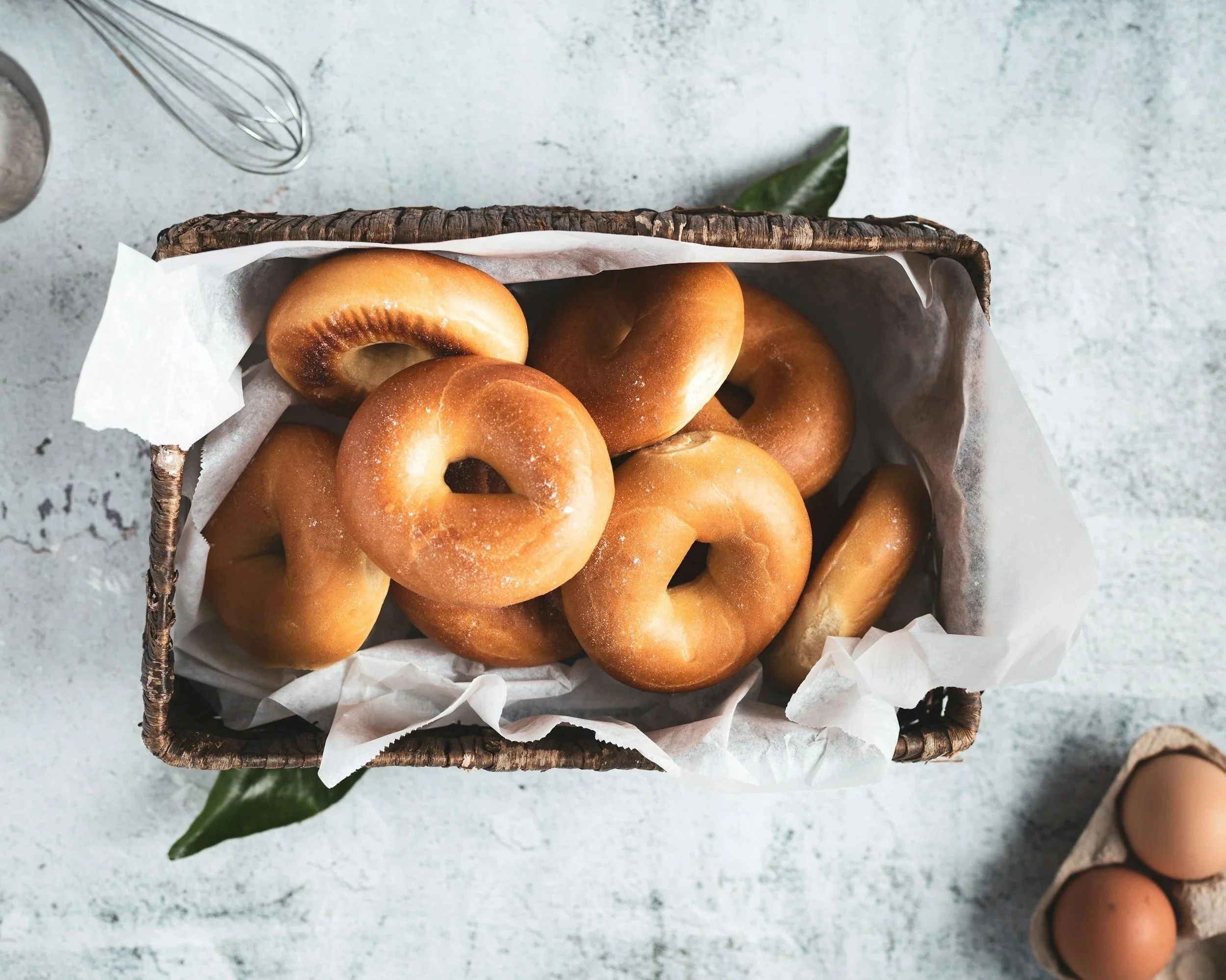
Twenty adults spent four straight weeks inside a metabolic ward at the National Institutes of Health, eating whatever the kitchen staff handed them. For two weeks, the menu was oatmeal, stir-fried beef with vegetables, and fresh fruit. For the other two weeks, it was bagels with cream cheese, flavored yogurt, and packaged pasta—a menu built to match the first diet meal for meal in calories, sugar, fat, sodium, and fiber. Subjects rated both diets as equally enjoyable. Yet on the processed diet, people ate about 500 more calories per day, gained close to two pounds over the two weeks, and lost a similar amount when switched to the unprocessed diet (Hall et al., 2019). The food wasn’t any more delicious. It was more effective at something the human body has no real defense against, a property researchers now call “hyperpalatability”.
Hyperpalatability isn’t a loose way of saying “junk food.” It’s a measurable trait with numeric thresholds, defined in 2019 by Tera Fazzino and colleagues at the University of Kansas after they surveyed the scientific literature for every food ever described as difficult to stop eating. They found the pattern reduced to three chemical signatures: fat combined with sodium, fat combined with sugar, or carbohydrates combined with sodium, each above a concentration that almost never occurs in a food that grew rather than got manufactured (Fazzino et al., 2019). Bacon and pizza fall into the first group. Cake and ice cream fall into the second. Pretzels and buttered popcorn fall into the third. When Fazzino’s team ran the entire federal nutrition database through these criteria, 62% of foods in the American supply qualified. Stranger still, when they isolated products labeled “low fat”, “reduced sugar”, or “reduced sodium”, nearly half of those diet-marketed items met hyperpalatable criteria anyway (Fazzino et al., 2019). The label promising restraint and the product delivering the opposite can sit on the same shelf side-by-side, sometimes in the same box.
An apple is sweet, but its sugar arrives bundled with fiber and water, which slow digestion and eventually signal the brain to stop eating. Hyperpalatable foods strip that packaging away and replace it with a second or third rewarding ingredient the body never evolved to encounter in combination (Life Span Institute, 2023). This is not merely a folk theory about willpower. In a 2018 brain imaging study, researchers found that people valued foods combining fat and carbohydrate more than equally caloric foods containing just one or the other, and that the extra pull showed up as amplified activity in the brain’s reward circuitry rather than in how much people said they enjoyed the taste (DiFeliceantonio et al., 2018). Ashley Gearhardt, a psychologist who studies compulsive eating, has argued alongside other researchers that highly processed foods meet the same scientific criteria used to classify substances as addictive, producing cravings and loss of control in a meaningful share of the people who eat them regularly (Gearhardt & DiFeliceantonio, 2023). None of this means willpower is a fantasy. It means the fight is unfair.
This isn’t confined to the snack aisle, however. Fazzino has pointed out that ordinary home cooking crosses into the hyperpalatable zone just as easily as factory-line cooking does. Shredded cheese melted over broccoli, butter and salt worked into a pan of chicken, cream sauce stirred into pasta: each of these ordinary moves stacks a second rewarding ingredient onto a food that started out simple (Life Span Institute, 2023). Hyperpalatability isn’t a villain hiding inside one brand or brands we deem “junk food”. It is a set of ingredient ratios embedded in how modern societies – like ours – cook, both industrially and domestically, which is precisely what makes it so resistant to individual solutions.
The consequences show up in the numbers. About 40% of American adults now meet the clinical definition of obesity, according to the most recent federal health survey (CDC/NCHS, 2024). Worldwide, over 890 million adults were living with obesity as of 2022, out of 2.5 billion who were overweight, a figure the World Health Organization says has more than doubled since 1990 (WHO, 2025). The economic toll is proportional: the CDC estimated that obesity-related medical care cost the United States approximately 173 billion dollars in 2019, with adults living with obesity spending nearly 1,900 dollars more per year on healthcare than peers at a healthy weight (CDC, 2024). This isn’t a story about individual failure repeating itself nine hundred million times, but rather a systemic one about food supply and dieting that’s changing faster than human physiology can.
The youngest consumers are the most exposed. Food and beverage companies spent close to 1.8 billion dollars in a single year marketing directly to children and teenagers, according to Federal Trade Commission statistics, and roughly 9 out of 10 food advertisements children encounter on television promote products high in sugar, salt, or fat content (FTC, 2012). These campaigns aren’t just selling their products, but also shaping dietary preferences during a person’s crucial developmental window when the brain’s reward architecture is still forming, establishing brand loyalty years before children have the capacity to truly evaluate nutritional claims.
If the mechanic is systemic, the intervention must be as well. Mexico offers a useful case. In 2014, the country placed a tax of one peso per liter on sugar-sweetened beverages. Purchases of taxed drinks fell by approximately 6% in the first year and nearly 10% in the second, with the largest declines among lower-income households (Colchero et al., 2017). The policy was not a complete remedy; economists reviewing sugar tax programs internationally have noted that taxing beverages alone does not always produce large reductions in total caloric intake once consumers substitute other products (Cawley et al., 2019). But the finding that pricing can measurably redirect consumption at a population level is significant, confirming that the available levers for addressing hyperpalatability are regulatory and more systemic than we may have once thought, not purely educational or dietary.
None of this excuses the food industry, and none is an argument for shame rather than science. The true core that can be taken away from this crisis is less tidy than a call to eat better: hyperpalatable food isn’t primarily a personal failing to overcome through willpower because it was built deliberately and skillfully to outmaneuver the very systems in the body that are supposed to signal “that’s enough”. Reformulating a food supply in which most items already qualify as engineered for overconsumption will take longer than a single generation, and it will require food manufacturers, public health regulators, and the research community to pull in the same direction rather than leave a burden on individual eaters. What a metabolic ward in Bethesda, Maryland made visible in 28 days is that by the time hyperpalatable food reaches a plate, the outcome is already halfway decided. The place left to intervene is further upstream, in what gets grown, processed, and sold in the first place.
References
Cawley, J., Thow, A. M., Wen, K., & Frisvold, D. (2019). The economics of taxes on sugar-sweetened beverages: A review of the effects on prices, sales, cross-border shopping, and consumption. Annual Review of Nutrition, 39, 317-338.
Centers for Disease Control and Prevention, National Center for Health Statistics. (2024). Obesity and severe obesity prevalence in adults: United States, August 2021-August 2023 (NCHS Data Brief No. 508).
Centers for Disease Control and Prevention. (2024, September 12). New CDC data show adult obesity prevalence remains high [Press release].
Colchero, M. A., Popkin, B. M., Rivera, J. A., & Ng, S. W. (2017). In Mexico, evidence of sustained consumer response two years after implementing a sugar-sweetened beverage tax. Health Affairs, 36(3), 564-571.
DiFeliceantonio, A. G., Coppin, G., Rigoux, L., Edwin Thanarajah, S., Dagher, A., Tittgemeyer, M., & Small, D. M. (2018). Supra-additive effects of combining fat and carbohydrate on food reward. Cell Metabolism, 28(1), 33-44.
Fazzino, T. L., Rohde, K., & Sullivan, D. K. (2019). Hyper-palatable foods: Development of a quantitative definition and application to the US food system database. Obesity, 27(11), 1761-1768.
Federal Trade Commission. (2012). A review of food marketing to children and adolescents: Follow-up report.
Gearhardt, A. N., & DiFeliceantonio, A. G. (2023). Highly processed foods can be considered addictive substances based on established scientific criteria. Addiction, 118(4), 589-598.
Hall, K. D., Ayuketah, A., Brychta, R., Cai, H., Cassimatis, T., Chen, K. Y., Chung, S. T., Costa, E., Courville, A., Darcey, V., Fletcher, L. A., Forde, C. G., Gharib, A. M., Guo, J., Howard, R., Joseph, P. V., McGehee, S., Ouwerkerk, R., Raisinger, K., Rozga, I., ... Zhou, M. (2019). Ultra-processed diets cause excess calorie intake and weight gain: An inpatient randomized controlled trial of ad libitum food intake. Cell Metabolism, 30(1), 226.
University of Kansas Life Span Institute. (2023, September 5). Q & A with researcher Tera Fazzino: What to know about 'hyperpalatable' foods. https://lifespan.ku.edu/news/article/2023/09/05/q-researcher-tera-fazzino-what-know-about-hyperpalatable-foods