
Vyshnavi Donthabhaktuni1*
Hello, World!
1Worcester Polytechnic Institute, 100 Institute Road, Worcester, MA
*bsvm0789@gmail.com
Abstract
Parkinson’s disease (PD) is a common neurodegenerative disease (NDD) that is characterized by the gradual loss of dopaminergic neurons and progressive motor impairment. Recent studies suggest that PD may originate in the gut, highlighting the gut-brain axis (GBA) as a critical area for research. This study investigated the neuroprotective potential of Trachyspermum ammi (T. ammi) oil on PD-associated symptoms using Caenorhabditis elegans (C. elegans) as a model organism. This study will assess various PD symptoms, including impaired locomotion, dopaminergic neuron degeneration, elevated reactive oxygen species (ROS) levels and gut permeability. The researcher procured C. elegans genetically modified to develop Parkinson’s disease and exposed them to varying concentrations of T. ammi oil by incorporating it into the worms’ food. PD was ultimately induced in C. elegans genetic models by introducing varying concentrations of T. ammi oil through the worm's food. Behavioral assays (locomotion, thrashing) as well as physiological assays (oxidative stress, alpha-synuclein levels and gut permeability), were conducted to assess the impact of T. ammi oil on these parameters. Results from these assays suggested a positive effect of T. ammi on Parkinson’s, with the Ajwain-treated groups showing improved locomotion, thrashing, improved survival under oxidative stress and even lowered alpha-synuclein levels. The findings support the hypothesis that T. ammi oil mitigates PD-like symptoms in C. elegans. The results could be further applied to develop an efficient, cost-effective and widely available treatment for mitigating PD symptoms in humans.
Introduction
Parkinson’s disease (PD) is a common neurodegenerative disease (NDD) that affects 1-2 out of 1,000 people (Bindas et al. 2021). It is characterized by progressive loss of fine motor ability. PD occurs later in life and lacks a reliable biomarker for early detection (Bindas et al. 2021). Although PD has been comprehensively studied, it is not possible to arrive at an accurate clinical diagnosis until a biopsy of the brain is done. Instead, this study analyzes patients solely on symptomatic assessment. This often leads to misdiagnosis (Hatchwell and Peggy 2013). However, recent studies have revealed the gut as a potential origin of PD pathogenesis. This hypothesis, referred to as the gut-brain hypothesis, has motivated research on gut PD pathology and its relation to the gut microbiota. Early findings have identified several potential gut triggers for Lewy pathology, the pathological hallmark of PD, suggesting that the interactions between gut microbiota and the brain may be more important than previously thought (Bindas et al. 2021). Although it is still unclear what mechanisms underlie gut-brain transmission, treatments via the gut-brain axis (GBA) could prove to be useful when trying to address PD (Mahbub et al. 2024).
This project explores the neuroprotective effects of Trachyspermum ammi (T. ammi), commonly known as Ajwain, on Parkinson’s disease using Caenorhabditis elegans (C. elegans) models. By using C. elegans as a model organism, this study investigates whether T. ammi extract can modulate the GBA to alleviate symptoms of Parkinson’s, including impaired locomotion, oxidative stress and neuronal degeneration.
Parkinson’s Disease
PD is primarily characterized by the progressive degeneration of dopaminergic neurons, nerve cells responsible for producing dopamine, a neurotransmitter critical for motor coordination (Bindas et al. 2021). Symptoms of PD include tremors, bradykinesia (slowness of movement), rigidity and postural instability (Mahbub et al.2024). Over time, PD severely impairs patients’ quality of life, often rendering them unable to perform daily activities, including walking or living independently.
At the cellular level, a hallmark of PD pathology is the presence of Lewy bodies composed of aggregated α-synuclein proteins. These misfolded proteins can adopt toxic formations, forming amyloid fibrils that disrupt regular cellular processes. The α-synuclein aggregates not only damage the dopaminergic neurons but also spread to neighboring cells, exacerbating neuronal loss (Mahbub et al. 2024). In addition, oxidative stress, mitochondrial dysfunction and neuroinflammation are also contributing factors to PD’s progression.
Trachyspermum ammi
Trachyspermum ammi (T. ammi), commonly referred to as Ajwain or carom seeds, is a versatile medicinal herb with centuries of use in traditional Ayurvedic medicine. Its seeds contain essential oils rich in bioactive compounds such as thymol, carvacrol and γ-terpinene. These components are renowned for their antioxidant, anti-inflammatory and antimicrobial properties (Roy et al., 2015).
Thymol, the predominant compound in T. ammi, has been extensively studied for its antioxidant properties, which help to mitigate oxidative stress—a key factor in the progression of neurodegenerative diseases like PD. Oxidative stress, resulting from an imbalance between reactive oxygen species (ROS) and antioxidant levels, is known to worsen α-synuclein aggregation and dopaminergic neuron loss in PD. By neutralizing ROS, thymol may prevent or slow this damage, offering potential neuroprotective effects (Dwivedi et al., 2012).
Moreover, T. ammi’s antimicrobial properties could play a critical role in modulating gut health. Recent research suggests that the plant’s ability to support a balanced gut microbiome and maintain gut integrity may directly influence the GBA. These benefits suggest that Ajwain could be a promising therapeutic option for PD.
Gut-Brain Axis
The GBA refers to the bidirectional communication network linking the gastrointestinal tract and the central nervous system. This system relies on neural, endocrine and immune pathways to maintain homeostasis which facilitate communication between the gut and brain. Dysregulation of the GBA has been implicated in various neurological disorders, including PD.
Recent studies suggest that changes in gut microbiota composition can influence neuroinflammation, α-synuclein aggregation and motor symptoms associated with PD (Mahbub et al. 2024). Dysbiosis (an imbalance in gut microbiota) can lead to increased intestinal permeability, allowing harmful substances to enter the bloodstream and trigger systemic inflammation. Gut dysbiosis may play a crucial role in initiating Lewy pathology in the enteric nervous system, which can subsequently propagate to the brain (Mahbub et al. 2024).
Experimental therapeutic options targeting the GBA focus on the potential to modulate gut microbiota and improve PD outcomes. Dietary modifications, probiotics and microbiota transplantation are a few examples of potential treatment options. While these approaches are in their early stages, they offer a novel path for addressing PD outcomes.
Caenorhabditis elegans
C. elegans is a member of the phylum Nematoda (Corsi 2006). It is a non-hazardous, non-infectious, non-pathogenic, non-parasitic organism. It is utilized in many biological studies about the human body because of its numerous similarities to the human nervous system (Corsi 2006). With more than 7,500 of its genes having human homologs and around 65% of its genes linked to human disorders, C. elegans is a highly accurate model for research on human diseases. Edgley claims that because the entire nervous system and cellular functions of C. elegans are completely mapped, researchers can analyze how genetic mutations or treatments affect certain behaviors. Changes in locomotion, feeding patterns, reproduction, lifespan and other physiological processes can be traced, and this provides a powerful tool for studying diseases. C. elegans has two sexes, a self-fertilizing hermaphrodite and a male. An adult consists of an exterior cuticle, formed by two other tubes. One of the tubes contains the pharynx and gut, while the other houses the reproductive system.
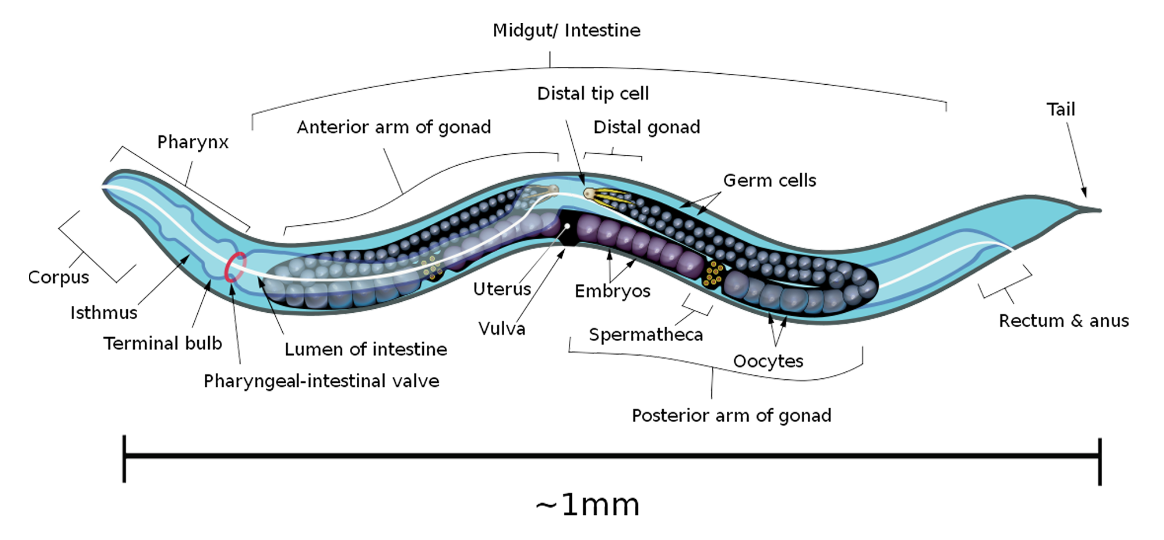
Figure 1. An anatomical diagram of an adult-stage C. elegans (Schroeder, n.d.). The short life cycle of C. elegans (approximately three weeks) and its ability to reproduce rapidly enable high-throughput screening for genetic and pharmacological studies. Its transparent body also allows researchers to visualize cellular and molecular processes in real-time. The complete sequencing of its genome and the availability of well-established genetic tools make C. elegans an ideal model for studying PD Markaki and Tavernarakis (2020).
This study uses wild type (N2) and PD model (NL5901) C. elegans. The NL5901 worms had YFP bound to the a-synuclein protein in the muscles.
Problem Statement/Researchable Question
The guiding question of this study was, ‘How does the ingestion of T. Ammi affect Parkinson’s Disease progression and pathology in C. elegans models of Parkinson’s Disease?’ It is hypothesized that if C. elegans models of PD are given OP50 supplemented with T. Ammi extract, their Parkinsonian symptoms will decrease, leading to slower PD progression in the worms. The main objective was to determine the effects of T. Ammi-supplemented bacteria on the progression and pathology of PD in C. elegans models.
Methodology
Equipment and Materials
In order to sustain the worms, Nematode Growth Media (NGM) plates seeded with OP50 E. coli were used (NGM Plates: 2.3g NGM powder, 97.5mL distilled water, 0.1mL 1M CaCl2, 0.1mL 1M MgSO4, 2.5mL 1M KPOH). A simple worm pick and a microscope were used to observe, stimulate and transfer worms. 91% ethanol solution was used to clean the worm pick and lab surfaces before and after use.
Synchronization
Synchronization is important when working with C. elegans to ensure consistency and reliability in data collection. Synchronization was performed to standardize the ages of the worms across all experimental groups, which included Plain Wild Type, Plain Parkinson’s, Wild Type with Ajwain, Parkinson’s with Ajwain treatment, Parkinson’s Vehicle Control and Wild Type Vehicle Control. By ensuring all worms were at the same life stage, any variability arising from differences in age, size and physiological development was minimized, allowing for more accurate comparison of the worms. Synchronization was done by bleaching the worms so that only the eggs remained. Then, the eggs were transferred onto plates so that they could grow. The synchronization was done with worm bleach (40mL H2O, 40mL bleach (5% hypochlorite), 20mL 5N KOH and M9 Buffer).
Ajwain Exposure
Four days before Ajwain exposure, worms were synchronized. Then, two to three worms were placed onto 0.01% Ajwain +OP50 (pipette 0.5mL of the 0.1% Ajwain solution with 4.5mL of LB Broth), 0.05% Ajwain +OP50 (pipette 2.5mL of the 0.1% Ajwain solution with 2.5mL of LB Broth) and 0.001% Ajwain+OP50 plates (pipette 50µL of the 0.1% Ajwain solution into 4.95mL of LB Broth). The worms were exposed to the Ajwain for 96 hours.
Locomotion Assay
This assay was chosen because it evaluates motor function often impaired in PD models. Measuring locomotion allows assessment of neurodegenerative effects and potential impacts of the treatment on motor symptoms. This assay places synchronized C. elegans on a plate and counts the number of instances their body bends per 20 seconds. For this assay, three unseeded 12-well plates were procured, and one worm was picked into each well. A timer was set for 20 seconds. Each time a worm bent its body qualified as a body bend. After 20 seconds, the number of body bends was recorded for that worm. This procedure was repeated for all the worms in the well plates.
Thrashing Assay
This assay was chosen because the thrashing frequency of a worm reflects its neuromuscular function. It is a measure of dopaminergic neuron degeneration, a hallmark of PD. This assay was performed by transferring individual synchronized worms into a drop of M9 buffer and counting the thrashings over a 20 second period. A glass slide with a drop of M9 buffer on it was procured. A single worm was transferred into this drop. After 20 seconds, the number of thrashing motions that worm made was recorded and this was repeated for 35 more worms. Between each worm, the glass slide was cleaned with 91% alcohol.
Oxidative Stress Assay
Oxidative stress was a key contributor to PD pathology. This assay evaluated the organism's ability to handle oxidative stress and assessed the protective effects of potential treatments. This assay was performed by exposing the experimental groups to 0.65mM of paraquat and measuring the number of live worms every four hours for an eight-hour period. Three unseeded plates and a 6-well plate were procured. In each well, 0.35mL of 0.65mM paraquat was added, and five worms of each experimental group were transferred into each well (each well contained a different experimental group and there were five worms in each well). Every four hours, the number of worms that remained alive were recorded.
Alpha-synuclein levels
Alpha-synuclein aggregation is a primary pathological feature of PD. This assay directly examines the aggregation levels and potential therapeutic effects of treatments targeting this protein. This assay was performed by measuring the fluorescence intensity of the YFP bound to the alpha-synuclein. A picture of a worm was captured using a fluorescent microscope. This image was then put into ImageJ and gray-scaled. The selecting tool was then used to select the area of the worm, and the average pixel intensity of that area was calculated. The average pixel intensity directly correlated to the fluorescent intensity of the worm.
Gut Permeability
Gut-brain axis dysfunction has been increasingly implied in PD. Assessing gut permeability helps evaluate whether treatments can restore gut barrier integrity, potentially preventing pathogenic signaling to the brain. This assay was performed by feeding C. elegans a dye (FITC-dextran) and observing dye leakage outside the gut.
OP50 E. coli Disposal
Before being disposed of in the lab sink, bleach was added to the liquid waste. Biohazard bags were used to dispose of contaminated solid waste, including pipettes, gloves, disposable centrifuge tubes, Petri plates and inoculating loops. Red biohazard bags were used to dispose of solid wastes, including Petri dishes, inoculating loops, disposable centrifuge tubes, pipettes and gloves. These bags were autoclaved and then put in red biohazard bags or containers for ultimate disposal. Following spills and after work was finished, work surfaces were cleaned with 91% ethanol.
Statistical Tests- ANOVA and Post Hoc Tukey HSD
To analyze the locomotion data for the six experimental groups (Wild Type, Parkinson’s, Parkinson’s with Ajwain, Wild Type with Ajwain, Parkinson’s Vehicle Control and Wild Type Vehicle Control), a one-way ANOVA test was performed to determine whether statistically significant differences existed in the average body bends across the groups. A p-value of 7.2674E-30 was obtained, indicating a highly significant difference among the groups. Since the ANOVA does not identify which specific groups differ, a post hoc Tukey HSD test was conducted to compare the groups pairwise. Significant differences were found between most of the pairs. Significant differences in locomotion include Parkinson’s vs Parkinson’s given Ajwain (p = .001), Parkinson’s given Ajwain vs Parkinson’s Vehicle Control (p = .001) and Wild Type vs Parkinson’s (p = .001) (Table 1).
This process was repeated for the thrashing data. To analyze the thrashing data for the six experimental groups, a one-way ANOVA test was performed to determine whether the differences in average thrashing motions were significant. A p-value of 3.6196E-18 was obtained, indicating a highly significant difference among the groups. A post hoc Tukey HSD test was conducted to compare the groups pairwise. Significant differences in thrashing include Parkinson’s vs Parkinson’s given Ajwain (p = .001), Parkinson’s given Ajwain vs Parkinson’s Vehicle Control (p = .001) and Wild Type vs Parkinson’s (p = .001). (Table 2)
Results
Locomotion Assay
A locomotion assay was performed on the experimental groups (as described in Methods).
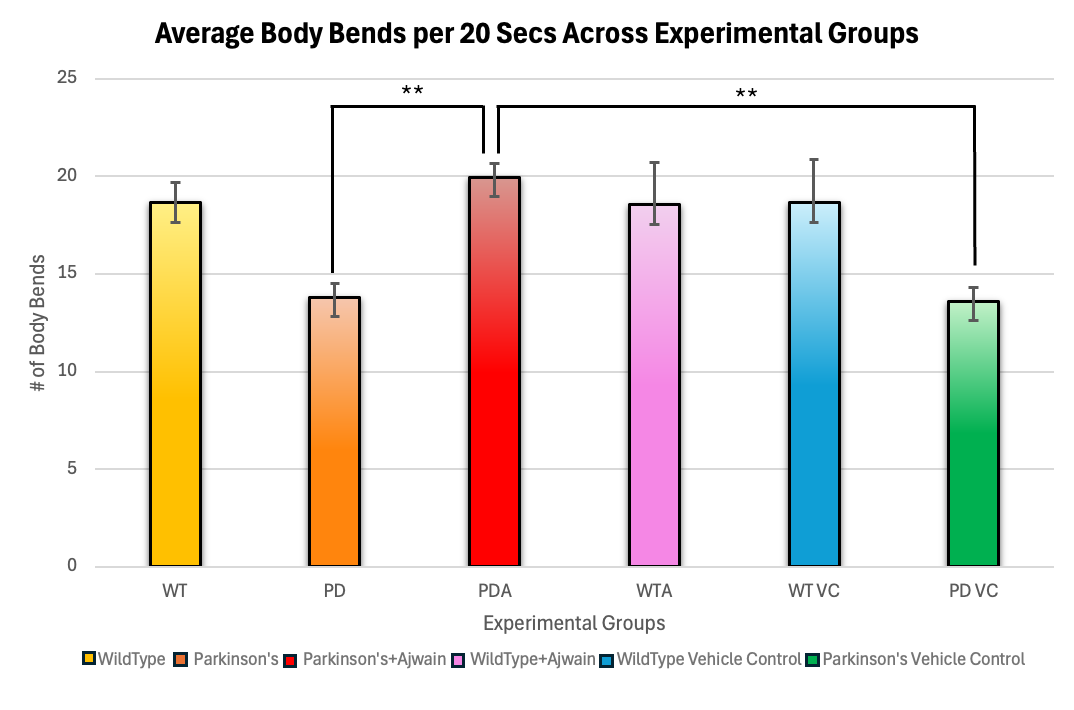
Figure 2. Locomotion averages across experimental groups.
Figure 2 shows the average body bends of the worms in each experimental group across 20 seconds. There was a significant change in locomotion between the Wild Type and PD (p < .05); PD and given Ajwain (p < .01); PD given Ajwain and PD Vehicle Control (p < .01); PD given Ajwain and Wild Type given Ajwain (p < .05) and PD given Ajwain and Wild Type Vehicle Control (p < .01). There was no significant change between the PD and PD Vehicle Control and the Wild Type and Wild Type Vehicle Control. These p-values were calculated by doing a one-way ANOVA test and a post HOC Tukey HSD Test.
Thrashing Assay
A thrashing assay was performed on the experimental groups.
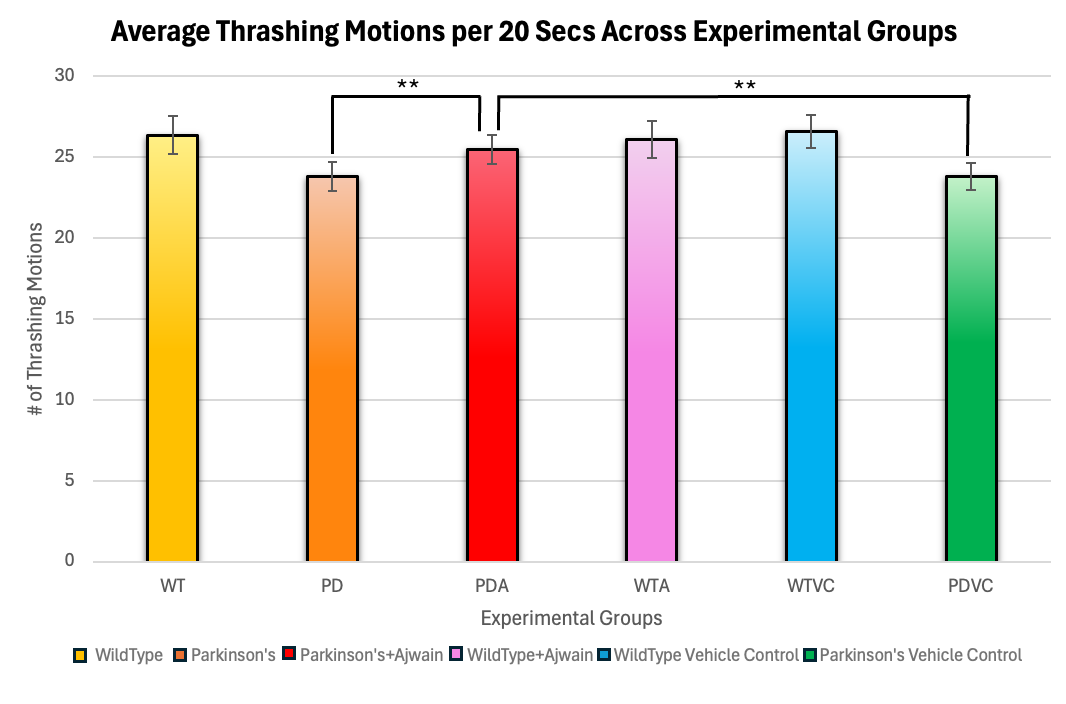
Figure 3. Average thrashing motions across experimental groups.
Figure 3 shows the average thrashing motions of the worms in each experimental group across 20 seconds. There was a significant change in thrashing between the Wild Type and Parkinson’s disease (p < .01); PD and PD given Ajwain (p < .01); PD given Ajwain and PD Vehicle Control (p < .01); and PD given Ajwain and Wild Type Vehicle Control (p < .01). There was no significant change between the Wild Type, Wild Type given Ajwain and Wild Type Vehicle Control. These p-values were calculated by doing a one-way ANOVA test and then a post hoc Tukey HSD Test.
A-syn Levels Assay
Alpha-synuclein levels were measured, and results are shown below.
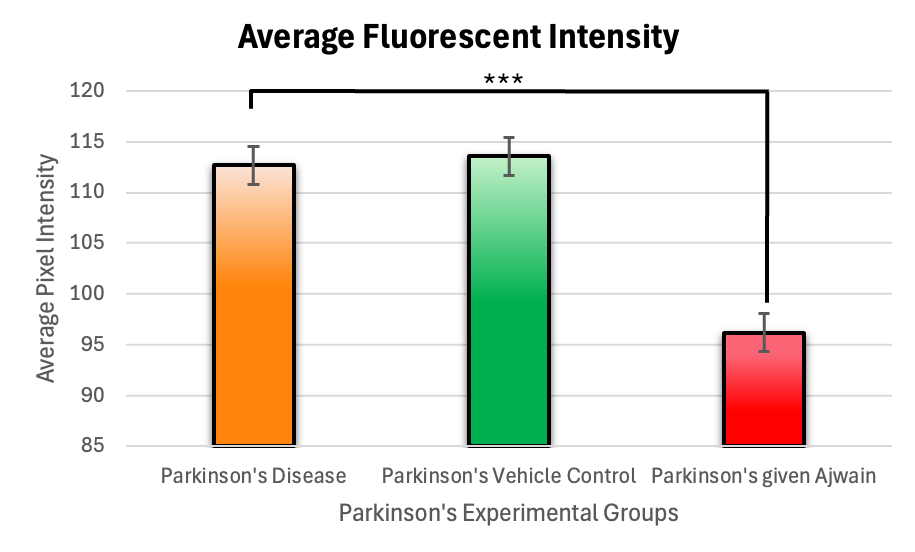
Figure 4. Average fluorescent intensity across Parkinson’s disease groups.
Figure 4 shows the average fluorescent intensity of the three Parkinson’s groups. T-tests were performed between the Parkinson’s disease and PD Vehicle Control groups as well as the PD and PD + Ajwain group. The test showed that the difference in fluorescent intensity of the PD vs the Parkinson’s + Ajwain group was significant (p = .0001218). The test also showed that the difference in fluorescent intensity of the PD vs the PD VC group was insignificant.
Oxidative Stress Assay
An oxidative stress assay was performed on the groups, and the data are shown below.
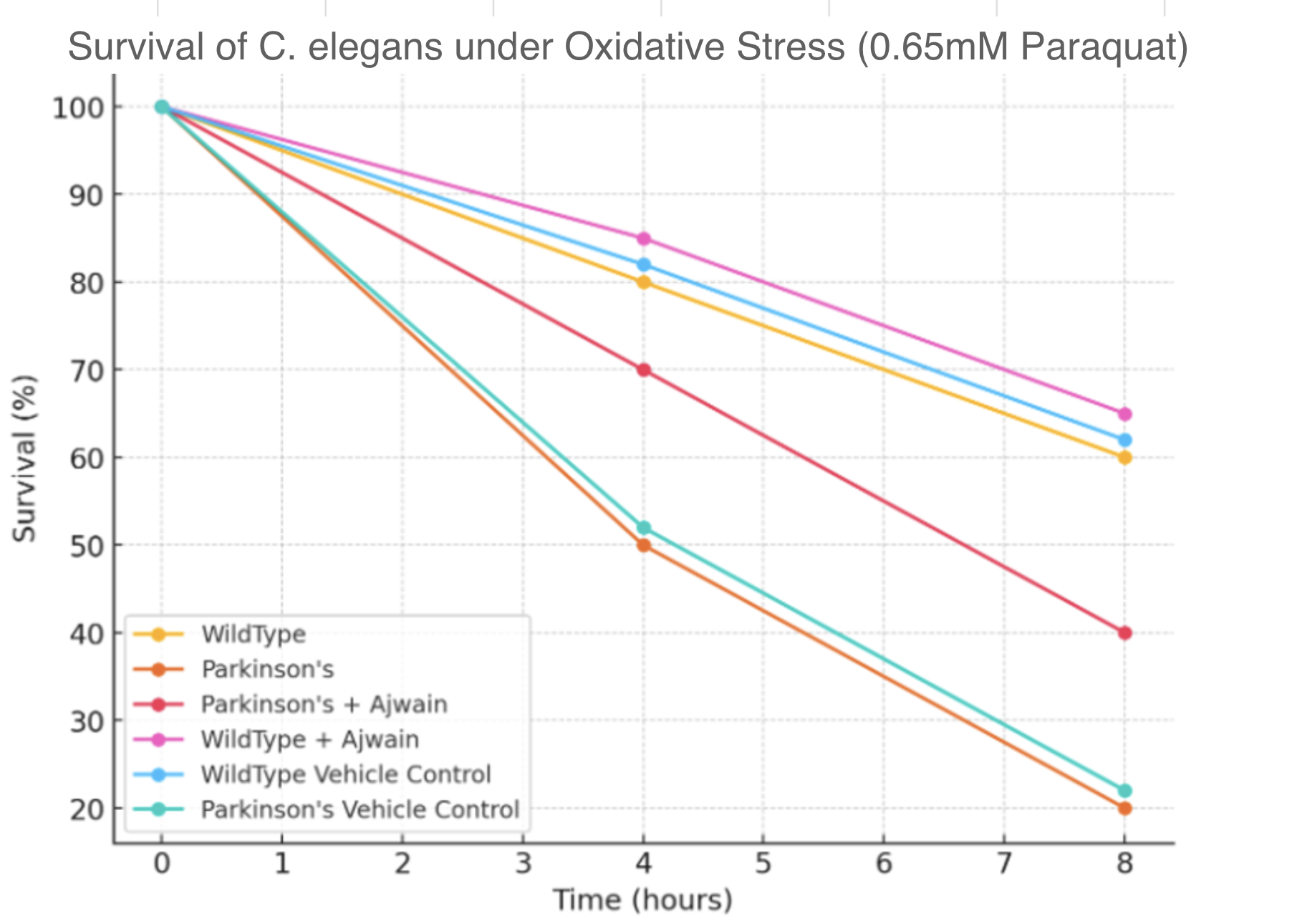
Figure 5. Survival of experimental groups after paraquat exposure.
Figure 5 shows the survival of the various experimental groups after exposure to 0.65mM of paraquat. As shown in the graph, the worms suffering from PD lived for a short period of time and were the first to die. This was in comparison to the wild type worms given Ajwain, which lived the longest.
Gut Permeability Assay
A gut permeability assay was performed on the experimental groups.
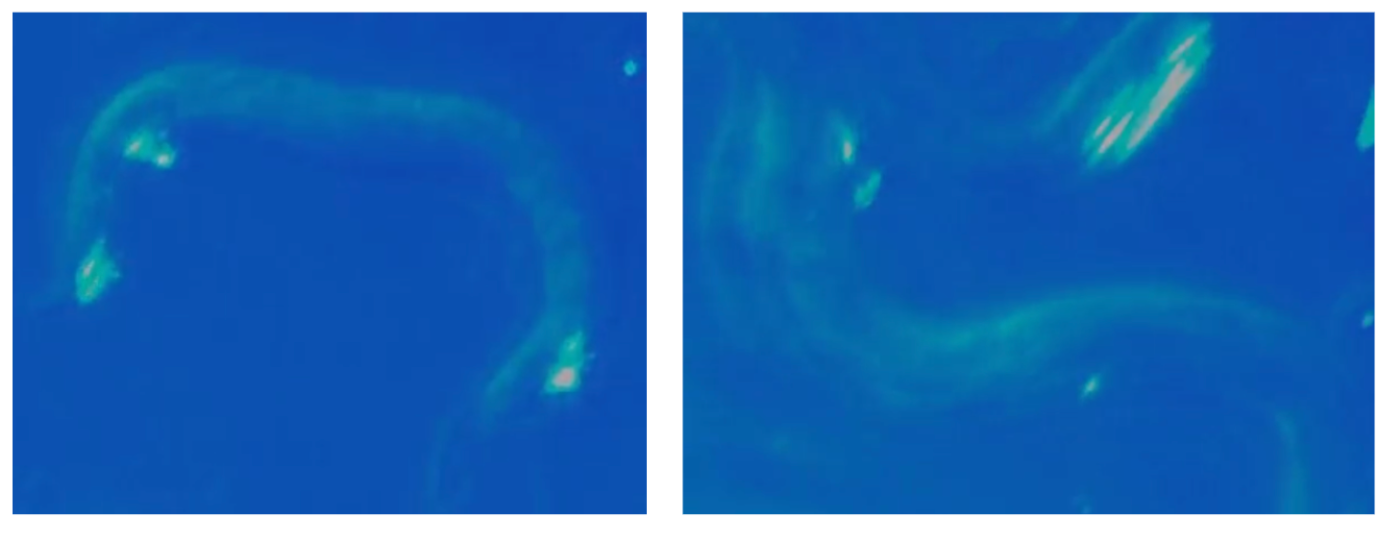
Figure 6. Side-by-side comparison of gut permeabilities.
This is a comparison of the gut permeability of the worms with PD and the Parkinson’s worms given Ajwain. There is no visible difference in the gut permeability of both groups. The picture on the left is the PD worm given Ajwain while the one on the right is just the worm with PD.
Discussion
The primary objective of this study was to assess the neuroprotective effects of Trachyspermum ammi (Ajwain) oil on Parkinson’s disease (PD) models via the gut-brain axis. Through locomotion assays, gut permeability assays and statistical analyses, significant differences are observed between the experimental groups, supporting the hypothesis that Ajwain oil mitigates PD-associated motor impairments.
Locomotion data, analyzed through a one-way ANOVA test, yielded a p-value of 7.2674E-30, indicating statistically significant differences in body bends among the three groups. A post hoc Tukey HSD test confirmed that the Parkinson’s worms exhibited significantly fewer body bends compared to the Parkinson’s given Ajwain worms and the introduction of Ajwain oil improved locomotion. Refer to the table below for exact p-values.
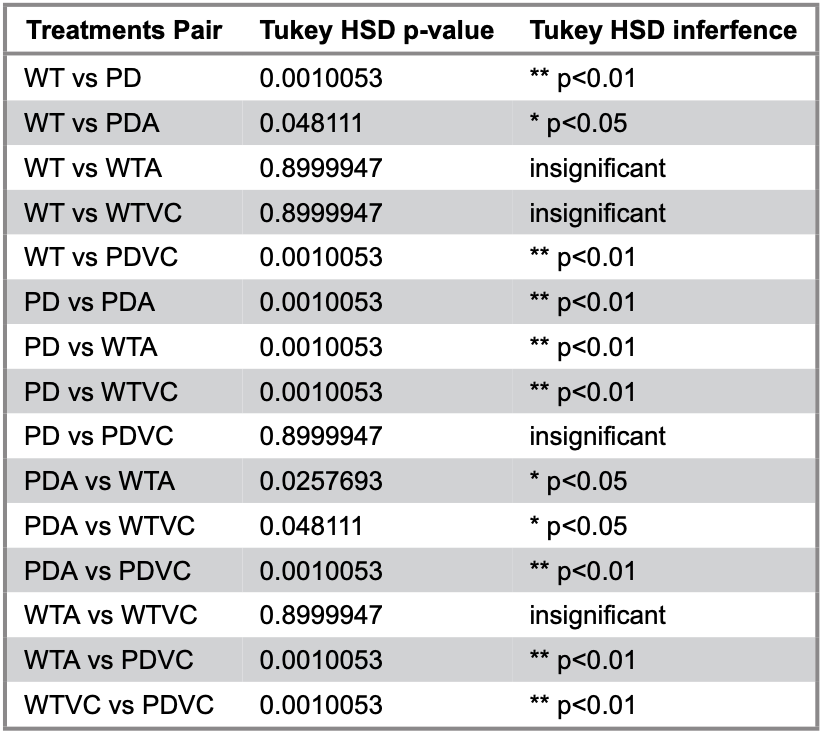
Table 1. Results of the post hoc Tukey HSD test performed on locomotion data.
The results from the locomotion assay (Figure 2) suggest that T. ammi oil reduces PD-related motor impairments and align with previous studies on neuroprotection via the gut-brain axis (Smith et al. 2020). However, unlike prior studies that focus on probiotics and synthetic compounds, this research explores a natural remedy with potential therapeutic applications.
Thrashing data are also analyzed similarly. A one-way ANOVA test yielded a p-value of 3.6196E-18, indicating a significant difference in thrashing motion between all the groups. The results of the post hoc Tukey HSD test are presented below in Table 2.
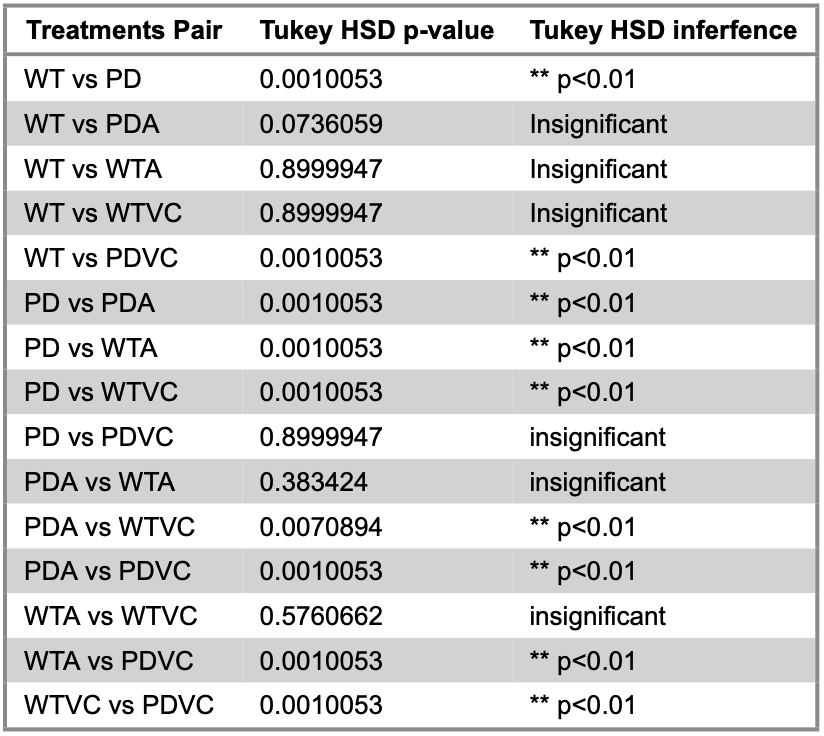
Table 2. Results of the post-hoc Tukey HSD test performed on thrashing data.
Results from the Tukey HSD test also showed that there is a significant difference between groups treated with Ajwain vs. groups that were not treated with Ajwain. This, along with Figure 3, provides sufficient evidence that Ajwain oil improves thrashing in worms with Parkinson’s disease.
There is also significant evidence to support the conclusion that Ajwain has an antioxidant effect on PD, as shown in Figure 5. The PD and Parkinson’s Vehicle control groups died first, which is expected as worms with PD have impaired antioxidant defense mechanisms (Cooper and Raamsdonk 2018). The Wild Type and Wild Type Vehicle Control worms live longer, and this is also expected because they have a functional oxidative stress response and are overall better equipped to handle oxidative stress (Khaled et al. 2019). Notably, Ajwain oil improved the survival of the Parkinson’s worms by almost 20%. The antioxidant properties of Ajwain would have helped to neutralize the high ROS levels and reduce oxidative stress in the Parkinson’s worms.
Ajwain also likely has neuroprotective effects on PD because it lowered alpha-synuclein levels (Figure 4). Worms treated with Ajwain demonstrated a significant decrease in α-synuclein levels compared to untreated Parkinson’s worms, suggesting that Ajwain's bioactive compounds, such as thymol, may facilitate protein clearance mechanisms or inhibit aggregation (Nazeer et al. 2019). This reduction in α-synuclein likely contributed to improved locomotion and oxidative stress resistance, reinforcing Ajwain’s potential as a natural therapeutic agent for mitigating neurodegenerative damage associated with PD (Bindas et al. 2021).
Potential limitations include time, money, variability in worm behavior and potential inconsistencies in Ajwain oil absorption. To minimize limitations regarding the worms, the C. elegans are synchronized, and all assays are conducted under controlled conditions.
Future studies should focus on identifying the specific bioactive compounds in T. ammi oil responsible for affecting PD. Additionally, RNA sequencing could be conducted to analyze gene expression changes associated with T. ammi treatment. Investigating T. ammi’s effects in higher model organisms, such as mice, would strengthen the translational relevance of this research and pave the way for potential clinical applications (Cooper and Raamsdonk 2018).
Conclusion
This study explores the effects of T. ammi oil on Parkinson’s disease, with a focus on the gut-brain axis. The findings demonstrate that Ajwain oil significantly improves motor function in C. elegans with PD, as shown by various statistical analyses (ANOVA and post hoc Tukey HSD). These results support the hypothesis that T. ammi oil has neuroprotective effects on PD.
This project contributes to the growing body of research regarding prospective treatments for Parkinson’s disease (Bindas et al. 2021). By introducing a natural treatment option, this study highlights the potential for T. ammi oil as a possible therapeutic option for people suffering from PD. Future research in this area should explore further specific compounds in T. ammi oil that cause these effects and explore T. ammi’s potential in mammalian models as well (Khaled et al. 2019).
Acknowledgments
Thank you to Dr. Kevin Crowthers for all your guidance, support and feedback. Also, thank you to the Caenorhabditis Genetics Center (CGC) and Dr. Samantha L. Hughes from the Amsterdam Institute for Life and Environment for kindly providing the strains that were used in this project. Finally, thank you to my fellow peers, Hasini Gujjari, Jasmin Bella, Ila Chakravarthy and Anshu Adiga, for all their help.
Over the course of this project, the student conducted all the background research, composed the project methodology, prepared materials for experimentation according to the methodology, conducted experiments and wrote the papers pertaining to the project. The mentor supported the student by giving feedback, assisting the understanding of certain areas, lab calculations and creation of the OP50 culture for the entire lab.
References
Bindas, A. J., Kulkarni, S., Koppes, R. A. and Koppes, A. N. (2021). Parkinson’s disease and the gut: Models of an emerging relationship. Biomaterials for Personalized Disease Models, 132, 325-344. doi: https://doi.org/10.1016/j.actbio.2021.03.071
Cooper, J. F., and Raamsdonk, J. M. V. (2018). Modeling Parkinson’s Disease in C. elegans. Journal of Parkinson’s Disease, 8(1), 17-32. doi: https://doi.org/10.3233/JPD-171258
Corsi, A. K. (2006). A biochemist’s guide to Caenorhabditis elegans. Analytical Biochemistry, 359(1), 1-17. doi: https://doi.org/10.1016/j.ab.2006.07.033
Dwivedi, S., Mishra, R. and Alava, S. (2012). Phytochemistry, Pharmacological studies and Traditional benefits of Trachyspermum ammi (Linn.) Sprague. International Journal of Pharmaceutical & Life Sciences (IJPLS), 3, 1705-1709, Retrieved from https://www.ijplsjournal.com/issues%20PDF%20files/may%202012/10.pdf
Hatchwell, E., and Peggy, E. S. (2013). Methods for diagnosing, prognosing, and treating Parkinson’s disease or parkinsonism. U.S. Patent and Trademark Office. U.S. Patent No. 12012634B2.
Mahbub, N. U., Islam, M. M., Hong, S. T. and Chung, H. J. (2024). Dysbiosis of the gut microbiota and its effect on α-synuclein and prion protein misfolding: consequences for neurodegeneration. Frontiers in Cellular and Infection Microbiology, 14, 1348279. doi: https://doi.org/10.3389/fcimb.2024.1348279
Markaki, M., and Tavernarakis, N. (2020). Caenorhabditis elegans as a model system for human diseases. Current Opinion in Biotechnology, 63, 118-125. doi: https://doi.org/10.1016/j.copbio.2019.12.011
Nazeer, M., Waheed, H., Saeed, M., Ali, S. Y., Choudhary, M. I., Ul- Haq, Z. and Ahmed, A. (2019). Purification and Characterization of a Nonspecific Lipid Transfer Protein 1 (nsLTP1) from Ajwain Trachyspermum ammi) Seeds. Scientific Reports, 9(1). doi: https://doi.org/10.1038/s41598-019-40574-x
Roy, S., Chaurvedi, P. and Chowdhary, A. (2015). Evaluation of antiviral activity of essential oil of Trachyspermum Ammi against Japanese encephalitis virus. Pharmacognosy Research, 7(3), 263-267. doi: https://doi.org/10.4103/0974-8490.157977